India generates more scrap every year yet still relies on imports to cover the shortfall, meaning every tonne a factory loses before it reaches a recycler costs more than it first appears. The Ministry of Steel expects domestic scrap availability to reach nearly 36 million tonnes and wants scrap's share of steelmaking to rise to the global average of 31%. Prices add to the pressure, as LME aluminium recorded its first close below US$3,000 a tonne this year in mid-October 2026, while copper stayed elevated.
At MetalMandi, a digital scrap marketplace from Attero Recycling, we buy directly with no middlemen. Our app shows live prices and real-time price tracking, and we offer fair pricing, negotiation where applicable and fast payments to the 550+ vendors we work with, from small workshops to large industrial businesses.
What Is Metal Scrap Recovery Rate and Why It Matters for Businesses
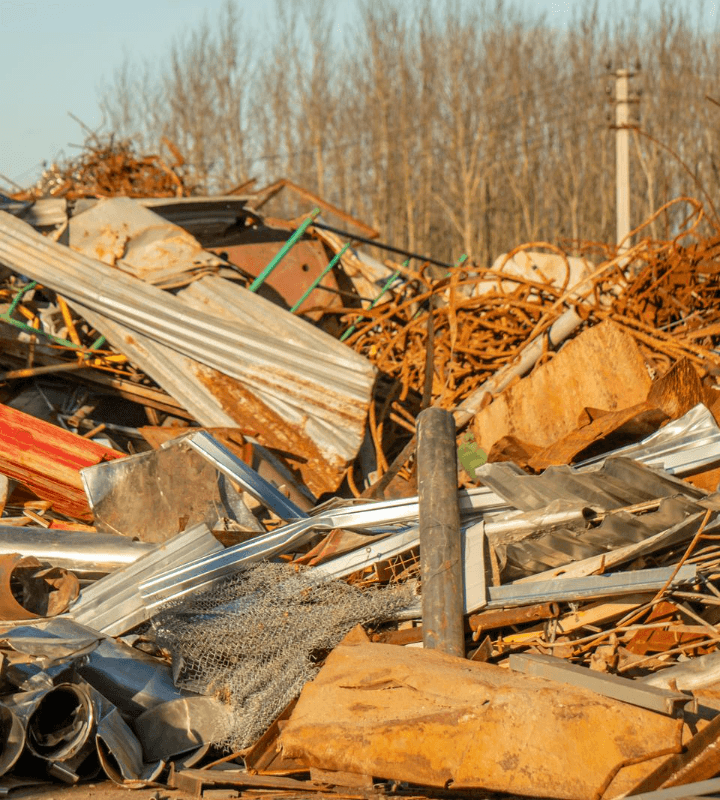
Metal scrap recovery rate is the share of the metal scrap your plant generates that you collect, keep clean, and hand to a recycler in a form that can be graded and priced. A press shop that produces 10 tonnes of offcuts in a month but sends only 8 tonnes to the weighbridge as sorted material has lost 2 tonnes, and that loss usually hides in rusted piles, mixed bins and material that was never weighed at all.
Manufacturers gain more than most, because factory scrap is the cleanest scrap in the country. BigMint's analysis found that new and processing scrap, which is generated inside factories during manufacturing, makes up about 60% of India's scrap generation, with end-of-life scrap making up the remaining 40%.
How Metal Scrap Recovery Directly Affects Revenue
Scrap revenue depends on two numbers that multiply: the quantity you recover and the grade at which that quantity is priced. A plant that improves both together gains far more than one that improves only one, because clean material is priced higher and more of it counts as usable metal.
Metal Scrap Rate and Scrap Metal Prices
A metal scrap rate is quoted per kilo or per tonne for a stated grade, and it follows daily LME and MCX price movements, with a discount for purity, moisture, and processing effort. Because scrap metal prices change daily, losing or downgrading a tonne in a strong market costs far more than doing the same in a weak month.
Grade differences can be large even within one metal. In June 2026, BigMint reported that European Berry/Candy copper scrap was paid at 96.5-97% of the LME copper price, while Birch/Cliff scrap was paid at 90.5-91%. These are export-market grades, not Indian quotes. Still, a six-percentage-point gap on an LME reference of US$13,000 a tonne works out to roughly US$780 a tonne.
Ways to Improve Metal Scrap Recovery Rates
The most reliable improvements start at the machine where scrap is created, because the operator there knows which metal just fell into the bin, while a worker sorting the heap a week later can only guess. The seven steps below follow the scrap from the line to the lot.
Step 1: Audit Scrap Generation Across Production Lines
Walk each line for a full week and record what scrap each machine produces, how much, and where it goes afterwards. Most plants find that one or two lines cause a disproportionate share of the loss, so fixing those first gives the fastest gain.
Step 2: Segregate at Source by Metal Type and Grade
Place a separate, marked bin for each metal beside every machine so that sorting happens now of creation. This costs almost nothing, whereas sorting a mixed heap later needs labour, testing and judgement, and some pieces still cannot be identified.
Step 3: Set Up Scrap Metal Sorting Stations and Labelled Bins
Build a central station with bins for copper, brass, aluminium, mild steel, stainless steel and cast iron, and keep a strong magnet on the table to check doubtful pieces. Scrap metal sorting at a station takes minutes per load, while the same work at a yard takes hours and often ends with the whole lot being given a lower grade.
Step 4: Reduce Contamination From Oil, Paint, Plastic and Mixed Alloys
Drain cutting oil from turnings, strip plastic and rubber from components, and keep painted pieces apart from bare metal. The International Committee for Study of Bauxite, Alumina and Aluminium lists contaminants on scrap as a primary factor behind dross and melt loss, and notes that casthouses typically produce 15-25 kg of dross per tonne of molten aluminium.
Step 5: Store Scrap Properly to Prevent Rust, Moisture and Loss
Keep scrap on a raised, sheltered, dry floor behind a lock, because rust removes weight from steel, moisture invites deductions at inspection, and loose copper is the first material to disappear from an open yard. A roof and a concrete platform usually cost much less than the value they protect in a year.
Step 6: Weigh and Record Scrap Accurately at Every Stage
Weigh scrap when it leaves each line and again at dispatch, then compare the two registers every month to see where material disappears. A calibrated scale and a plain register of date, metal, weight and destination are enough to expose leaks and settle disputes.
Step 7: List in Planned Lots
Build one lot per metal each month instead of waiting for a year-end clearance, so that material stays fresh, and you can check scrap metal prices before deciding when to list. Regular lots also make collection easier to plan for both the plant and the buyer.
Ferrous Metal Recycling: Recovery Tips for Steel, Iron and MS Scrap
Ferrous metal recycling starts with a magnet and a dry floor, then keeps heavy steel, thin sheet, turnings, and cast iron in separate piles because each melts and prices differently. Turnings hold oil and rust quickly, so drain them and cover them instead of leaving them in the open.
Research summarised by Professor Dierk Raabe states that copper cannot be removed by conventional oxidative refining and that levels above about 0.1% by weight can cause hot shortness, a cracking problem during rolling and forging. Removing windings, cables, and brass fittings from steel before it leaves your plant protects the steel and your lot price.
Non-Ferrous Recovery Tips for Copper, Aluminium and Brass
Copper needs the most careful handling because its price is high and its grades vary widely, so bare wire, laal dori (red copper wire) and insulated cable should travel in separate labelled bags. Never burn off insulation, since burning damages the metal and releases harmful smoke; thick cable is usually worth stripping, while very thin wire costs more in labour than it returns.
Separate aluminium by form, with wire, sheet, profile, and castings in different bins, and remove every steel insert, bolt, or plastic part because each one lowers the grade. Brass should stay separate from copper and steel; a brass fitting hidden in a steel pile is paid at the steel rate, while the brass inside it goes unrewarded.
Metal Scrap Recycling: How Better Recovery Improves Compliance and Sustainability
Better recovery makes a plant easier to audit and a supply chain easier to trace. The Material Recycling Association of India notes that nearly one-third of scrap collection comes from rag pickers, small workshops, households and municipal sorting, and it has asked for lower taxes and UPI payments at the first collection stage to improve traceability. A factory that weighs its scrap, records each lot, and hands sorted metal to a single named buyer creates a clear trail from machine to recycler, supporting tax compliance and customer audits. It also supports the national goal: scrap makes up only about 23% of India's steel production, against a target of 50% by 2047, and roughly a quarter of the 41 million tonnes of ferrous scrap consumed in FY 2024-25 was imported.
Common Queries from Businesses and Industrial Scrap Generators
Why Quoted Rates Differ from Market Rates for Mixed or Unsorted Scrap
LME and MCX prices describe pure metal in a standard form, whereas a quote for your lot reflects its actual grade, moisture, contamination, and sorting effort. The more mixed the lot, the wider the gap, and a sorted lot with clear photographs narrows it.
GST Invoicing and Payment Terms for Bulk Industrial Scrap
Scrap attracts 18% GST, and since October 2024, a reverse charge mechanism has made buyers liable for the tax when the supplier is unregistered. Businesses that share their GST number at KYC and keep weight slips and invoices find audits and reconciliations much simpler.
How MetalMandi Helps Businesses Get Better Value from Scrap
You list each lot on the app with photographs, quantity, and grade, and our pricing compares the material against live rates, so you can see what the lot is worth before you commit. You can negotiate where applicable, we arrange collection from your site, and payment follows inspection and weighing, which keeps every step recorded in one place.
MetalMandi supports this work after the scrap leaves your line. As the direct buyer with no middlemen, we show live prices and real-time price tracking, quote sorted and mixed lots fairly, negotiate where applicable, and collect from your factory, so you receive the full value you create through better recovery. Powered by Attero Recycling, your metal then returns to India's circular economy as raw material for new products.
FAQs
How can businesses improve metal scrap recovery rates?
Businesses can start by auditing where scrap is generated on each line, then sorting every metal at the machine, keeping it clean and dry, weighing and recording each lot, and listing it in planned monthly quantities instead of one large clearance at the end of the year.
How does better recovery increase scrap metal value?
Better recovery raises value in two ways: more metal reaches the weighbridge, and it arrives cleaner and at a higher grade. Both effects multiply, so improving quantity and grade together gains more than either change alone.
Why do scrap metal prices differ for mixed and sorted scrap?
Sorted scrap meets a clear grade and needs no extra work, while mixed scrap must be separated, tested, and cleaned before melting. Buyers factor in that effort and the risk of contamination, so mixed lots are priced below sorted lots of the same metals.
What are the main recovery tips for ferrous metal recycling?
Use a magnet to separate ferrous from non-ferrous pieces, keep scrap on a dry, sheltered floor, store heavy steel, thin sheet, turnings, and cast iron separately, and remove copper windings, cables, and brass fittings before the steel leaves your plant.
Is it better to list scraps in regular lots or in one bulk clearance?
Regular monthly lots usually work better because material stays fresher; rust and storage losses stay low, and you can respond to live rates instead of accepting whatever the market offers on one date. A bulk clearance can still suit plants that generate very little scrap.
Can businesses get GST-compliant invoices when recycling industrial scrap?
GST-registered businesses share their GST number during KYC, and the app records every transaction digitally. Keep your invoices and weight slips for your books, and confirm any specific tax questions with your accountant.
Does MetalMandi support regular monthly industrial scrap supply?
Yes, businesses can list each month's lot as it builds up, and we arrange collection from the site and let you track it in the app. Regular supply also helps both sides plan vehicles, inspections, and payment more smoothly.