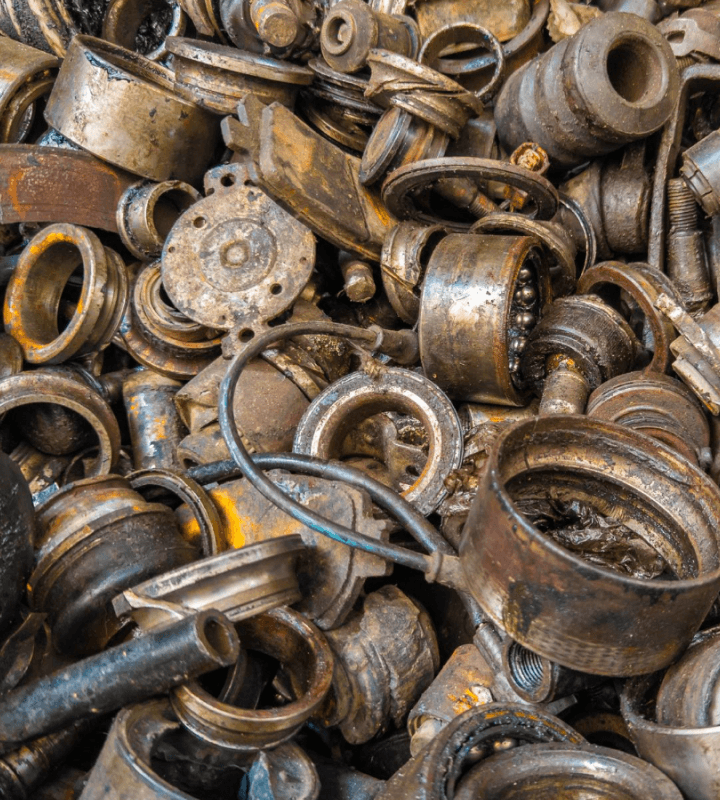
Jamnagar in Gujarat, one of India's best-known brass manufacturing hubs, produces everything from hardware fittings to decorative items, generating large volumes of brass turnings, off-cuts and rejects. Red brass, with its higher copper content, typically commands a noticeable premium over yellow brass because of the difference in copper content and overall material value. That gap highlights how much composition can influence what brass scrap is actually worth, yet many businesses outside like organised industrial hubs may not assess the material properly before a pickup.
This is where MetalMandi steps in. We are a digital scrap marketplace, powered by Attero Recycling, and we buy brass scrap directly from businesses and industries with no middlemen in between. Our platform tracks live market rates and updates pricing in real time, so what you see on the app reflects the actual market, not a guess from a local trader. We currently support 550+ vendors across India, from small kabadiwalas (scrap dealers) to large scrap manufacturing units, through the same transparent process for everyone.
Types of Brass Scrap Commonly Sold
Brass scrap comes in many forms, and each behaves differently when it comes to purity and pricing.
Yellow Brass vs Red Brass
Yellow brass is roughly 70% copper and 30% zinc, giving it a brighter, golden colour. Red brass carries a higher copper content, around 85%, giving it a deeper, reddish tone and a noticeably better resale value.
Brass Wire Scrap
Brass wire scrap comes from electrical fittings, plumbing components, and old machinery. Its purity depends heavily on whether it's coated, tinned, or mixed with other metals during dismantling.
Machined Brass Turnings
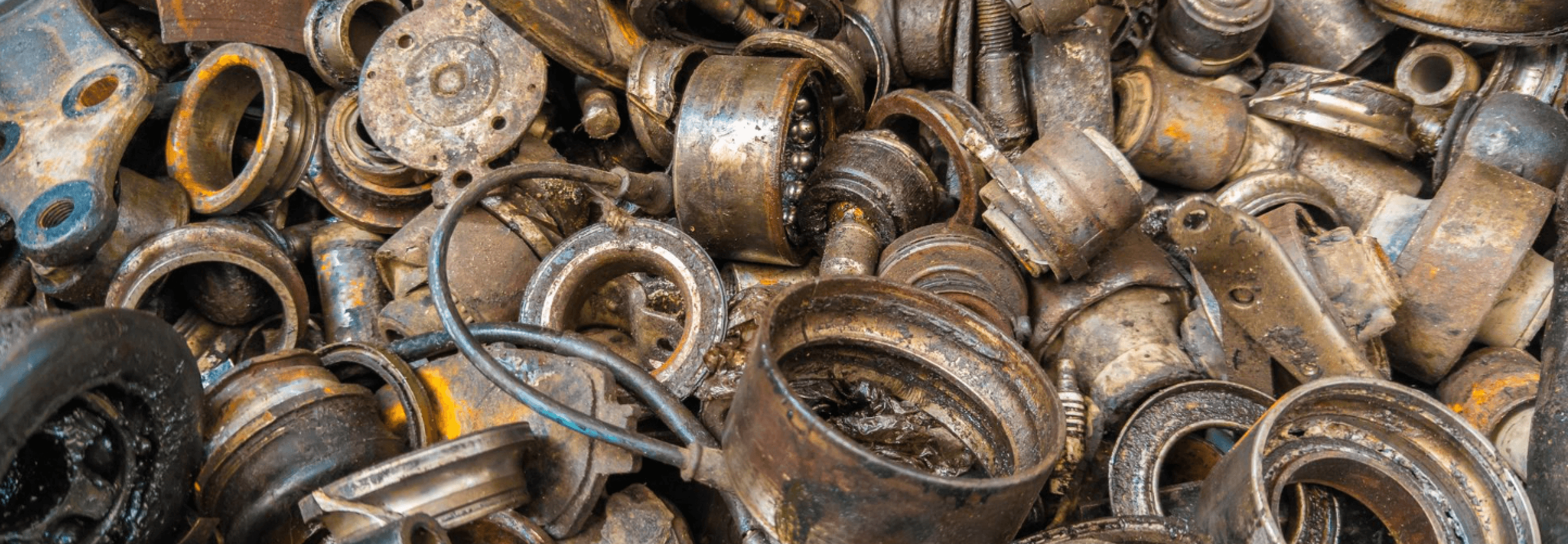
Turnings come from factories that machine brass components - taps, valves, connectors. These are usually high purity but can carry cutting oil residue, which affects weight and rate if not cleaned.
How to Check If Your Brass Scrap Is Pure
You can check brass scrap purity by looking at its colour, weight, markings, and composition. Here are some of the other ways:
Visual and Colour Test
Genuine brass has a warm yellow-gold shine when clean. A dull, greyish, or patchy surface often means it's mixed with another metal or heavily oxidised, which can lower the pure brass price per kg you're offered.
Magnet Test to Rule Out Mixed Metals
Brass itself is completely non-magnetic. If a magnet sticks to any part of your scrap, it means iron or steel is mixed in - common in old fittings with steel screws or brackets still attached, or in brass-plated steel, which is only worth steel-level pricing. Removing these before pickup improves your final rate.
Spark and Density Test
Grinding a small piece of genuine brass produces a low volume of orange sparks, unlike steel, which throws off a heavy shower of bright sparks. Brass also feels noticeably heavier than aluminium of a similar size, a quick density check anyone can do by hand.
Factors That Affect Brass Scrap Price
- Copper-to-zinc ratio - higher copper generally means higher value
- Presence of coatings, paint, or plating
- Attached non-brass parts like steel screws or rubber gaskets
- Quantity and consistency of the load
- Current scrap brass price per kg in the local market
How MetalMandi Helps You Sell Pure Brass Scrap at the Right Rate
The MetalMandi app shows live, AI-powered brass scrap price updates, so you always know the current rate before scheduling a pickup. Because we buy directly, there's no third party quietly taking a cut between the rate you're quoted and what actually reaches your account. Our team can also guide businesses on segregating mixed material before pickup, which genuinely improves what's paid out - something few informal local yards bother explaining clearly.
Purity decides brass scrap value more than almost anything else, and a few minutes of checking - colour, magnet, spark - can noticeably change your final payout. With transparent, real-time pricing and a direct buying process, MetalMandi makes sure that effort actually translates into a fair rate, whether you're bringing in ten kilos or ten tonnes.
FAQs
How can I test if my brass scrap is pure before selling?
Check the colour for a warm golden shine, run a magnet over it to rule out steel content, and try a quick spark test - genuine brass produces a low volume of orange sparks when ground.
What is the current pure brass price per kg?
Pure brass price per kg changes daily with copper and zinc market movement. MetalMandi's app shows live, location-based rates, so you can check before scheduling a pickup.
Does the brass price per kg differ for yellow and red brass?
Yes. Red brass has a higher copper content, roughly 85% compared to yellow brass's 70%, and typically earns a noticeably better rate as a result.
Can a magnet test help identify mixed brass scrap?
Yes. Brass itself is non-magnetic, so if a magnet sticks to your scrap, it usually means steel or iron parts are mixed in, which can lower the overall rate offered.
Where can I find verified brass scrap suppliers near me?
MetalMandi works directly with 550+ vendors across India, offering a verified, app-based process for brass scrap collection with transparent pricing and no middlemen involved.