
Parliament wants scrap handling to be treated as a skill. In its August 2025 report, the Standing Committee on Coal, Mines and Steel asked the National Skill Development Mission to add certification courses on collection, segregation, sorting, refining, processing and disposal. It also urged organising kabadiwalas (scrap dealers) into cooperatives. Thus, scrap segregation decides how much value a metal scrap recycling chain can recover. Mixed loads cost more to process, and that cost comes back to you as a lower bhaav (price).
At MetalMandi, we are a digital scrap marketplace from Attero Recycling, and we buy directly from you, with no middlemen. Our app shows live prices and tracks them in real time. We offer fair pricing, negotiation where applicable and fast payments. We work with 550+ vendors, from small kabadiwalas to large industrial businesses, and we support scrap metal recyclers across India's circular economy. Here is how scrap metal sorting works, and why it pays.
What Is Scrap Metal Segregation
Scrap metal segregation is the process of separating scrap by metal type, grade and condition before collection and recycling. It keeps each metal pure, so recyclers can melt and refine it without contamination, and price it fairly. Copper goes with copper; steel goes with steel, and plastic, rubber and wood come out.
Why Scrap Segregation Matters for Recycling Efficiency
Sorting is the cheapest source, where you know what each part is.
Purity and Grade Accuracy
A steel bolt left on an aluminium casting ends up as iron in the melt. That lowers ingot quality. Pure lots are graded quickly, so the quote matches the material.
Faster Processing at the Recycling Stage
Unsorted loads need hand-sorting in the yard before melting. That costs labour and time, and pre-sorted lots go straight to the right line. The Ministry of Steel expects total scrap availability to reach nearly 36 million tonnes and wants scrap's share raised to the global average of 31%. More scrap means more pressure to keep it clean.
How Scrap Metal Sorting Is Done
Yards use simple tools first, then machines.
Manual Sorting Methods
Workers sort by sight, weight, and feel. Copper is red-brown, brass is yellow, and aluminium is light. A file scratch shows true colour under paint or rust.
Magnetic and Density-Based Sorting
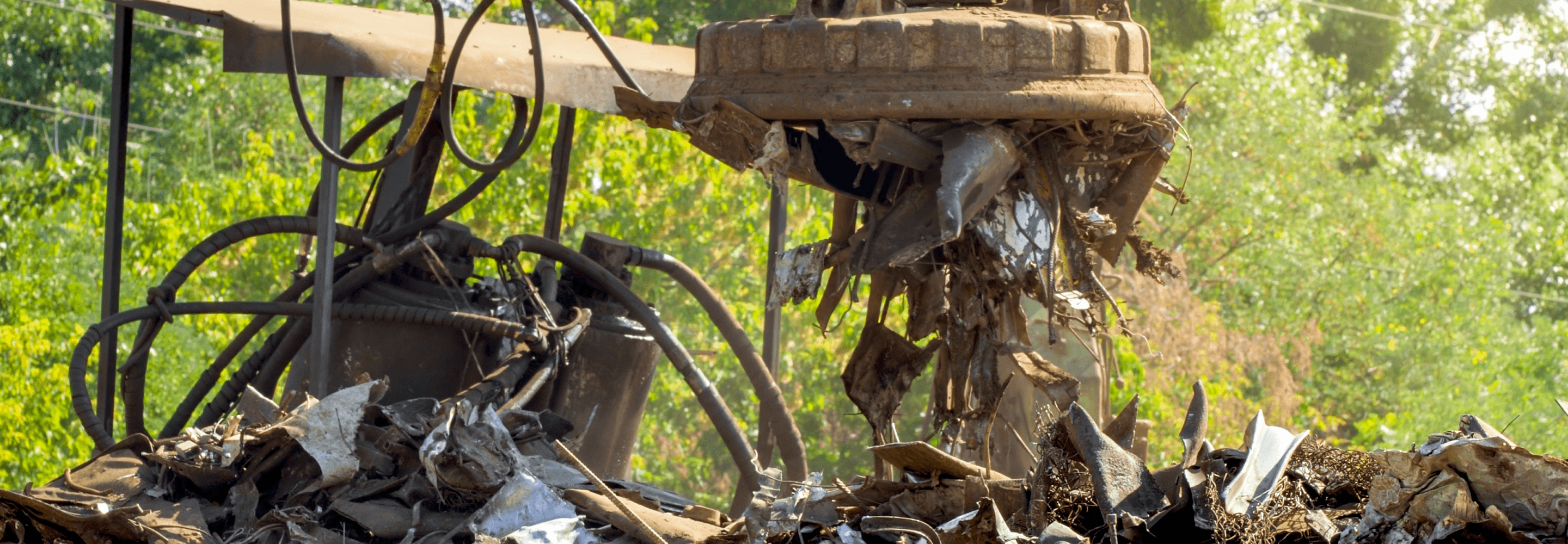
A magnet pulls out iron and most steel in seconds. Copper, brass, and aluminium are non-magnetic, so they need another test. Density helps, as copper is over three times as dense as aluminium. Larger plants use float-sink tanks and sensor-based sorters.
Impact of Segregation on Metal Recovery Rates
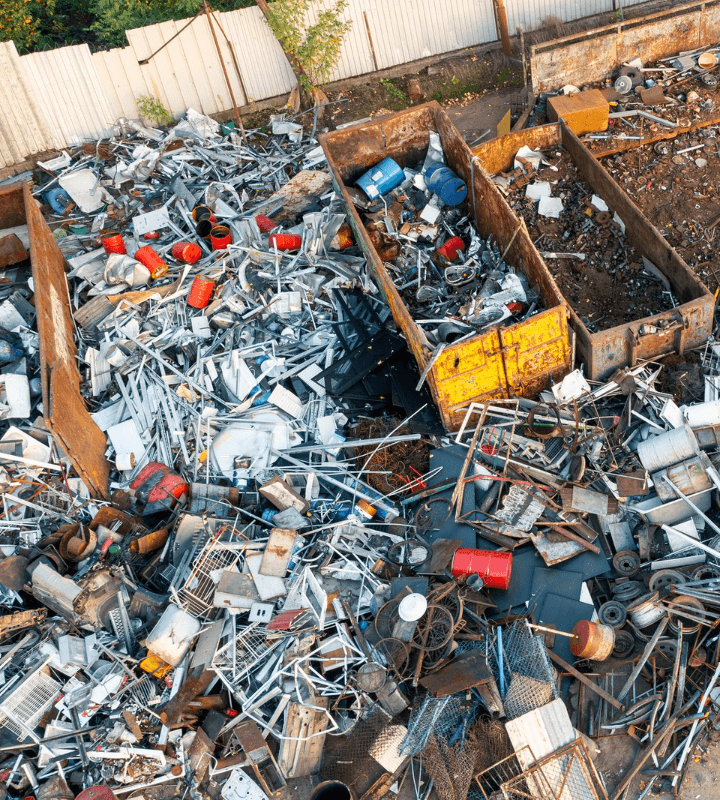
Metal recovery depends on feed cleanliness. Every kilo of plastic, oil or foreign metal in a load is a kilo that cannot be recovered as the metal you meant to recycle. Take office renovation scrap: aluminium window frames, steel brackets and cable in one pile. If you split into three lots, each one is recovered and priced properly.
Role of Segregation in the Metal Recycling Industry
The metal recycling industry runs on predictable input. The same parliamentary committee named limited scrap availability as a key obstacle to scaling up scrap-based steelmaking. When scrap is scarce, every sorted kilo counts for more.
Best Practices Before You List Your Scrap
- Run a magnet over every pile first.
- Keep copper, aluminium, brass, and steel in separate bins.
- Remove plastic, rubber, wood, and steel inserts.
- Keep oily or burnt material apart from clean material.
- Photograph each lot in daylight.
Who Is Responsible for Sorting: You or the Recycler
You are best placed to sort, since you know the source. A recycler can re-sort, but that takes time, and the cost shows a lower rate or a weight deduction.
How MetalMandi Supports Scrap Metal Recyclers with Better Segregation
List each scrap lot on MetalMandi with clear photos. Our live pricing considers the material and grade against current market rates, so sorted lots are quoted as sorted and mixed lots as mixed. With rates shown by material, you can see how sorting affects value before accepting a quote. Sort scrap at the source - a magnet, a few separate bins and clear photos can make a real difference to the value of your load. Keeping metals separate makes grading easier and helps you get a more accurate quote.
FAQs
What is scrap metal segregation and why does it matter?
It means separating scraps by metal type and grade. It matters because pure lots recycle cleanly and earn fair rates, while mixed lots cost more to process.
How does scrap metal sorting improve recycling efficiency?
Sorted scrap goes straight to the right process. Recyclers skip hand-sorting, melt cleaner metal and waste less time and fuel.
Does segregating scrap before listing increase the rate I get?
Usually, yes. Sorted, clean lots earn better rates than mixed ones because the buyer doesn't have to price in sorting and contamination.
What methods are used for scrap metal sorting?
Manual sorting by colour, weight and feel; magnets for ferrous metals; density-based methods; and sensor-based machines in larger plants.
How does segregation affect metal recovery during recycling?
Cleaner input means more of the load is recovered as usable metal. Plastic, oil, and foreign metals reduce recovery and quality.
Why do scrap metal recyclers prefer pre-sorted material?
It saves labour, speeds up grading and protects the quality of the final metal.
Can mixed, unsorted scrap still be listed, just at a lower rate?
Yes. It is quoted as a mixed scrap. Even sorting with a magnet alone can lift the value of part of the load.
How does MetalMandi support better segregation practices?
Our app shows live rates by material, so you can see what each metal is worth, and photo-based listings help you spot what to separate.