India's manufacturing sector has long leaned on an unorganised scrap chain, and the numbers show why the government stepped in. When the Ministry of Steel notified the Steel Scrap Recycling Policy in November 2019, domestic industry was drawing around 25 million tonnes of scrap from unorganised local sources each year and still importing a further 7 million tonnes, largely because organised collection and processing capacity hadn't kept pace with demand. For manufacturers, that gap usually means inconsistent rates and slow settlement every time a production line clears out.
That's the exact problem MetalMandi was built to solve. We are a digital scrap marketplace, powered by Attero Recycling, dealing directly with manufacturing units and industrial businesses with no middlemen in between. Working with 550+ vendors across India, from small fabrication units to large factories, we offer live market rates, real-time price tracking, and same-day payments through one app.
What Counts as Industrial Scrap Metal for Manufacturers
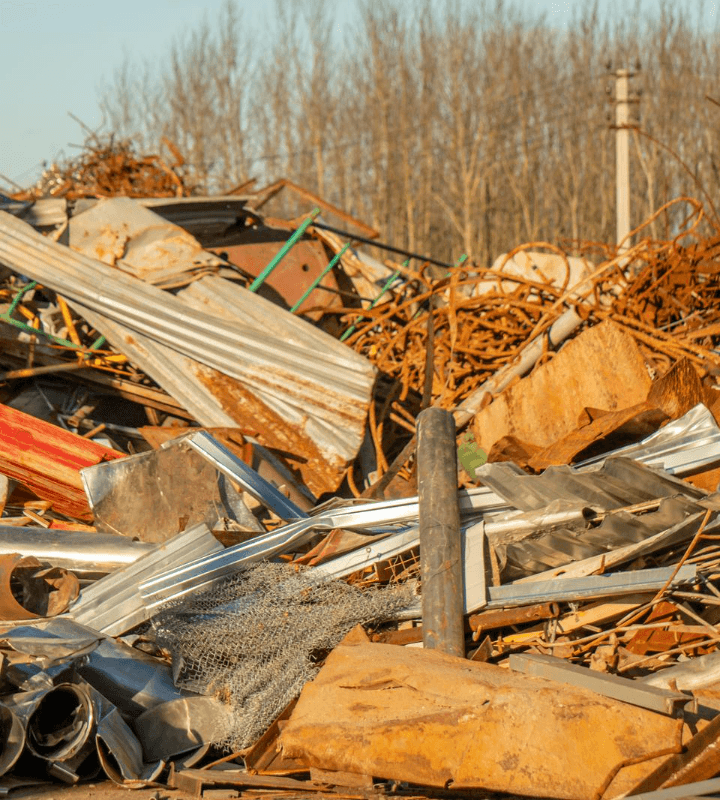
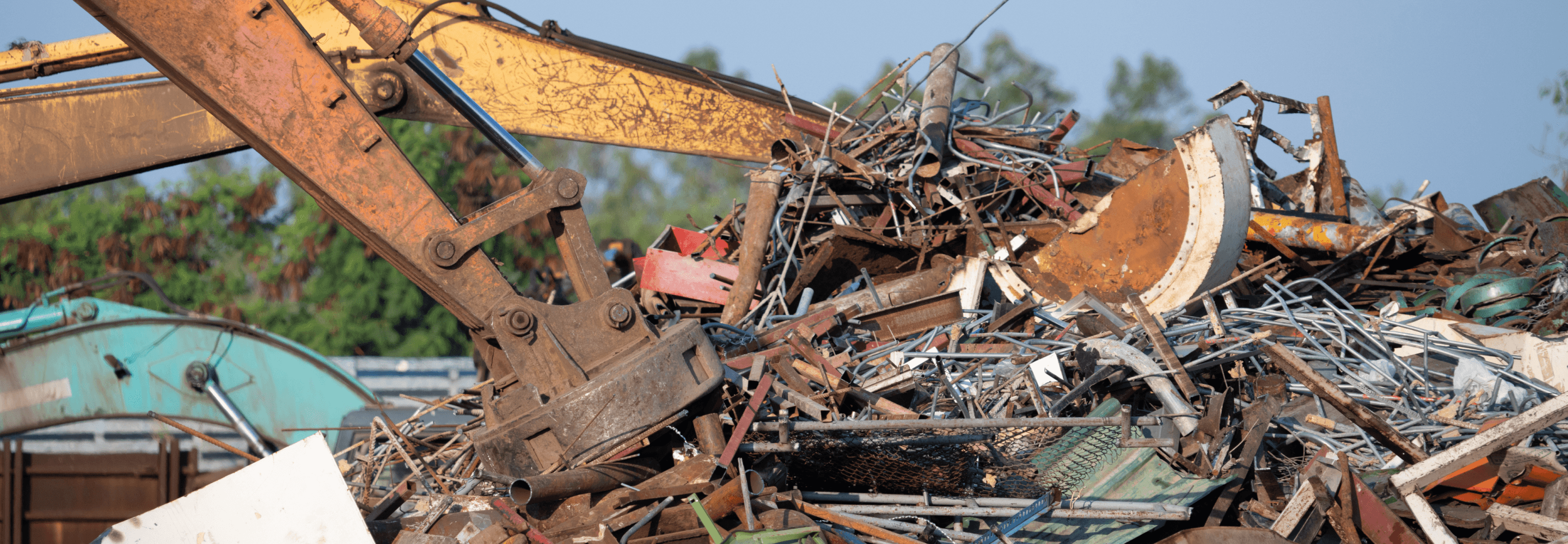
Industrial scrap metal is any ferrous or non-ferrous material left over from production, fabrication, or plant maintenance. It behaves differently from household scrap because it arrives in larger, steadier volumes and is usually tied to a repeatable process rather than a one-off clear-out.
- Metal offcuts and rejects from stamping, cutting, or machining
- Structural steel and iron from fabrication or plant expansion
- Copper and aluminium wiring from electrical or cabling work
- Decommissioned machinery, tooling, and spare parts
- Packaging-grade metal drums, sheets, and containers
Common Sources of Industrial Scrap in Manufacturing Units
Most factories generate industrial scrap continuously, even in a normal working month with no breakdowns. Recognising where it comes from makes it easier to plan regular offtake instead of treating it as an occasional clearance job.
Production Line Offcuts and Rejects
Stamping, cutting, and CNC machining shed material almost every shift - copper trims from cable assembly, aluminium shavings from precision machining, or steel punch-outs from sheet metal work. Once this builds up, it typically goes through an industrial scrap metal shredder before further processing, which reduces bulk and makes it far easier to weigh and grade consistently.
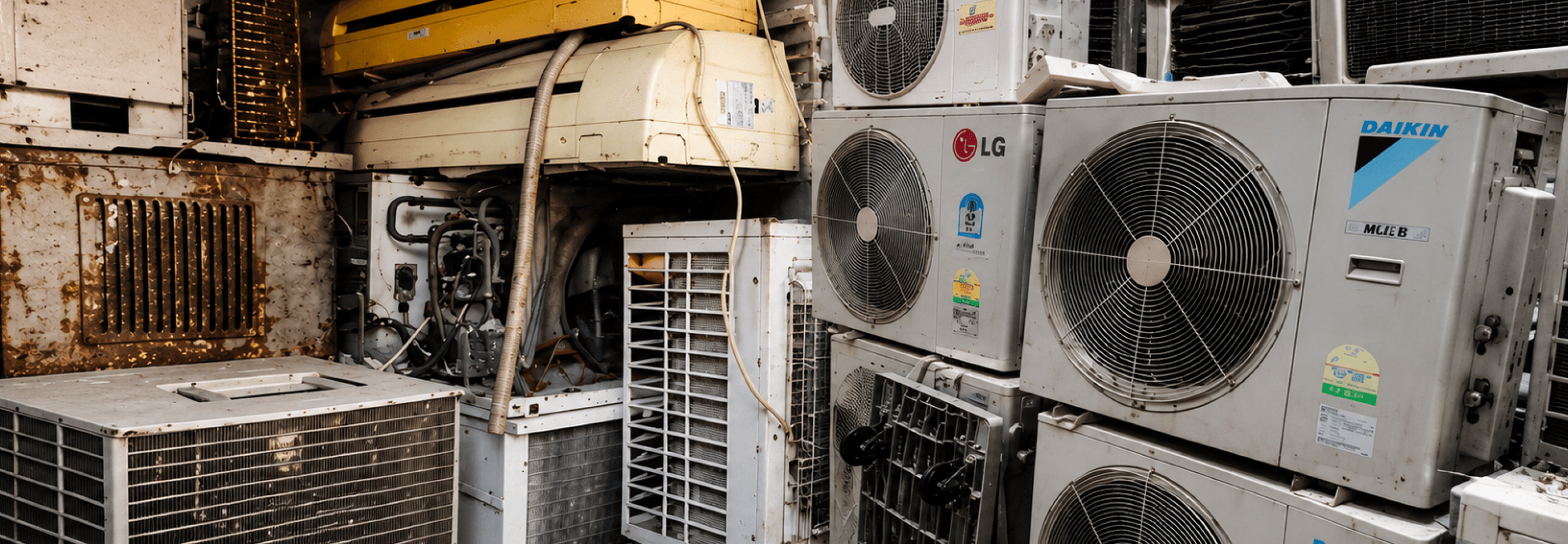
Scrap Machinery and Old Equipment
Over years of operation, ageing conveyor sections, worn tooling, and decommissioned machines add up. Many units hold this at an on-site industrial scrap yard until volume is high enough to justify a pickup, tying up floor space and delaying cash flow that could otherwise be released.
Industrial Scrap Metal Shredder: Role in Processing and Pricing
An industrial scrap metal shredder reduces bulky scrap machinery and structural offcuts into a uniform size, and this matters more for pricing than most manufacturers expect. Shredded material is easier to weigh accurately, transport efficiently, and grade without guesswork, which usually means a cleaner quotation with fewer adjustments once it reaches the plant for inspection.
Traditional Scrap Yard vs Digital Selling: A Comparison
Selling scrap through a traditional scrap yard and selling it digitally can feel like two very different processes. While scrap yards rely on physical visits and in-person negotiations, digital platforms bring pricing, buyers and transactions together online.
| Factor | Traditional Scrap Yard | Digital Selling |
|---|---|---|
| Pricing | Prices are usually discussed directly with the scrap dealer and may vary between buyers. | Prices can be linked to current market rates, with quotes or bids available digitally. |
| Convenience | You may need to transport the scrap to the yard or arrange collection yourself. | Scrap can often be listed online and picked up from your doorstep or business location. |
| Buyer Options | Usually limited to nearby scrap dealers or yards. | Digital platforms can connect sellers with a wider network of buyers or recyclers. |
| Price Negotiation | Negotiation happens face-to-face and is often informal. | Quotes or bids can be compared and negotiated through the platform. |
| Weighing | Weighing is generally done at the scrap yard or during collection. | Many platforms provide digital weighing or record weight as part of the online transaction. |
| Payment | Payment may be made in cash or through other methods, depending on the dealer. | Digital platforms commonly offer direct bank transfers, UPI, or other recorded payments. |
| Documentation | Records may be limited, particularly for smaller transactions. | Digital transactions can provide invoices, payment records, and transaction histories. |
| Time & Effort | Requires calls, travel, negotiations, and coordination with the dealer. | Listing, pricing, pickup, and payment can be managed through one digital process. |
Limitations of Selling Through a Local Scrap Yard
- Rates negotiated informally, often below the actual market price
- No structured GST invoicing, which complicates compliance
- Cash-based payment with limited digital record
- Manual weighing with no independent verification
- Multiple intermediaries between the factory and the final buyer
Advantages of a Metal Recycling Yard Network on One Platform
Working with a single, accountable buyer across a wider metal recycling yard network removes most of these frictions. On MetalMandi, that means one point of contact, live pricing visible before you commit, GST-compliant invoicing, and bank settlement typically on the same day as pickup.
Step-by-Step Guide for Manufacturers to Sell Industrial Scrap Metal
- Register and complete KYC: Sign up on the app and complete a one-time verification with your business documents and GST number.
- List your material: Enter the metal type, estimated tonnage, and condition, and add clear photos of the scrap yard or storage area.
- Receive a live quotation: Get a data-backed rate based on current market pricing for that material category.
- Negotiate and confirm: Review the offer and negotiate where applicable before locking it in.
- Schedule bulk pickup: Book a collection slot suited to industrial tonnage and track it through the app.
- Weighment and inspection: We weigh and inspect the material when it arrives at the plant.
- Payment settlement: We transfer funds directly to your account once the inspection is complete.
How to Maximise Value When Selling Industrial Scrap
Bulk and Regular Monthly Scrap Availability
Factories generating scrap on a regular monthly cycle are usually better placed to negotiate than those selling as a one-off. Committing to a recurring pickup schedule, rather than waiting for storage to overflow, tends to attract steadier and often stronger pricing.
GST, Invoicing, and Payment Terms
GST-registered businesses should always share their GST number at the listing stage; it speeds up invoicing and avoids compliance issues later. On payment timing, industrial-scale transactions are settled after plant inspection rather than at loading, so factoring that into your cash-flow planning avoids last-minute surprises.
Why Manufacturers Choose MetalMandi for Industrial Scrap Selling
- Direct buyer relationships without brokers or third-party traders.
- AI-powered, real-time pricing across ferrous and non-ferrous categories.
- Bulk pickup coordination suited to factory-scale tonnage.
- GST-compliant invoicing built into every transaction.
- Backed by Attero Recycling's recycling infrastructure.
FAQs
What counts as industrial scrap metal for manufacturers?
Industrial scrap metal includes offcuts, rejects, structural steel, wiring, and decommissioned machinery generated during production or plant maintenance. It differs from household scrap mainly in volume and consistency, since it's tied to a repeatable manufacturing process rather than occasional disposal.
How is industrial scrap metal different from regular household scrap?
Industrial scrap arrives in larger, steadier volumes, often from a single material stream such as copper wiring or steel offcuts. Household scrap tends to be smaller in quantity and mixed across material types, which usually results in different grading and pricing treatment.
What role does an industrial scrap metal shredder play in pricing?
A shredder reduces bulky material to a uniform size, which makes weighing and grading more accurate. This typically results in a cleaner, more consistent quotation with fewer adjustments during plant inspection compared with unprocessed, mixed-size scrap.
How can manufacturers get better rates than local industrial scrap yards?
Working with a direct buyer that offers live, transparent pricing removes informal negotiation and multiple intermediaries typical of a local yard. Committing to bulk or regular monthly volumes, and keeping material well-sorted, also strengthens your position when discussing rates.
Does MetalMandi handle bulk and regular monthly industrial scrap?
Yes. MetalMandi works with manufacturers on both one-off and recurring monthly scrap volumes, with pickup scheduling designed around factory-scale tonnage and GST-compliant invoicing for every transaction.