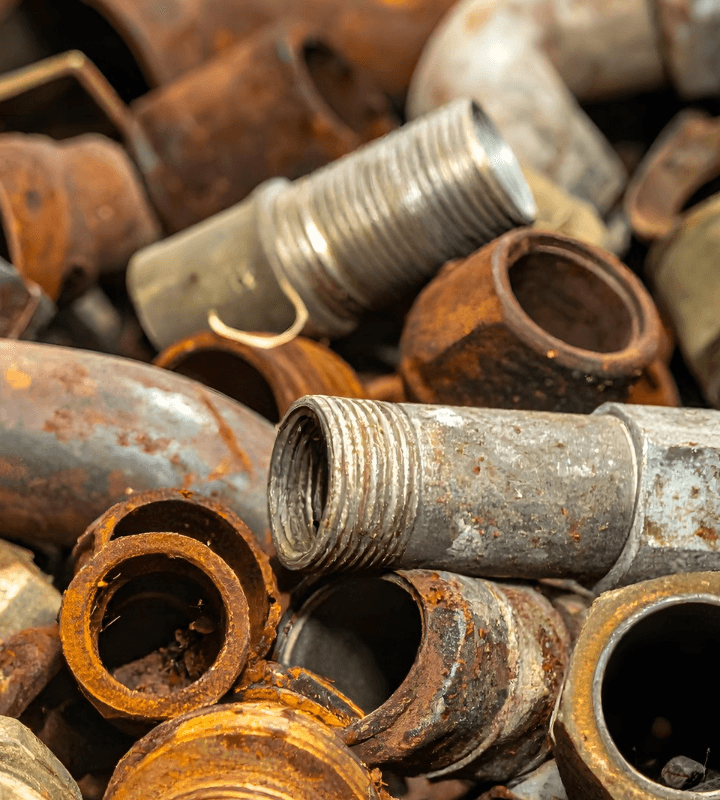
Brass scrap is trading firmly in India, with SMM reporting on 21 October 2026 that brass purja (loose brass parts and fittings) was quoted at ₹840,000-842,000 a tonne in Delhi and brass honey at ₹920,000-927,000 a tonne in Jamnagar, while Chinese interest in Indian brass billet was improving without yet becoming broad-based. Dividing a tonne rate by 1,000 gives the brass scrap price per kg. Hence, those Delhi quotes work out to about ₹840 a kg. That makes today's brass scrap rate worth checking for every business that owns old valves, taps, meters, or pump fittings, because equipment written off years ago often holds more brass scrap value than its owners expect.
At MetalMandi, we are a digital scrap marketplace from Attero Recycling, and we are the direct buyer with no middlemen. Our app shows live prices and real-time price tracking, and we offer fair pricing, negotiation where applicable and fast payments to the 550+ vendors we work with, from small workshops to large industrial businesses.
Why Commercial Equipment Is a Strong Source of Brass Scrap
Commercial equipment lasts for decades, carries many brass components, and is usually replaced in batches during refurbishment, meaning a single hotel renovation or plant upgrade can release a large quantity of clean brass at once. Demand for that material is steady, since Jamnagar secondary brass cluster is the main consumer, that rod mills were stocking material in August 2026, and that plumbing and electrical fittings stayed strong on infrastructure spending.
Brass scrap is also easier to recognise than most mixed scrap, because the metal is a copper-zinc alloy with a distinctive yellow colour. Alloys with up to about 35% zinc shift in colour from golden yellow to red as zinc rises, and that leaded brasses carry added lead to improve machinability, which is why taps, valve bodies and fittings are so often made from it.
Types of Commercial Equipment That Contain Brass
Brass appears in far more equipment than most facilities managers record, and each category brings its own preparation task. A short walk through the premises with this list usually finds material that has been stored for years.
Plumbing Fittings, Valves and Taps
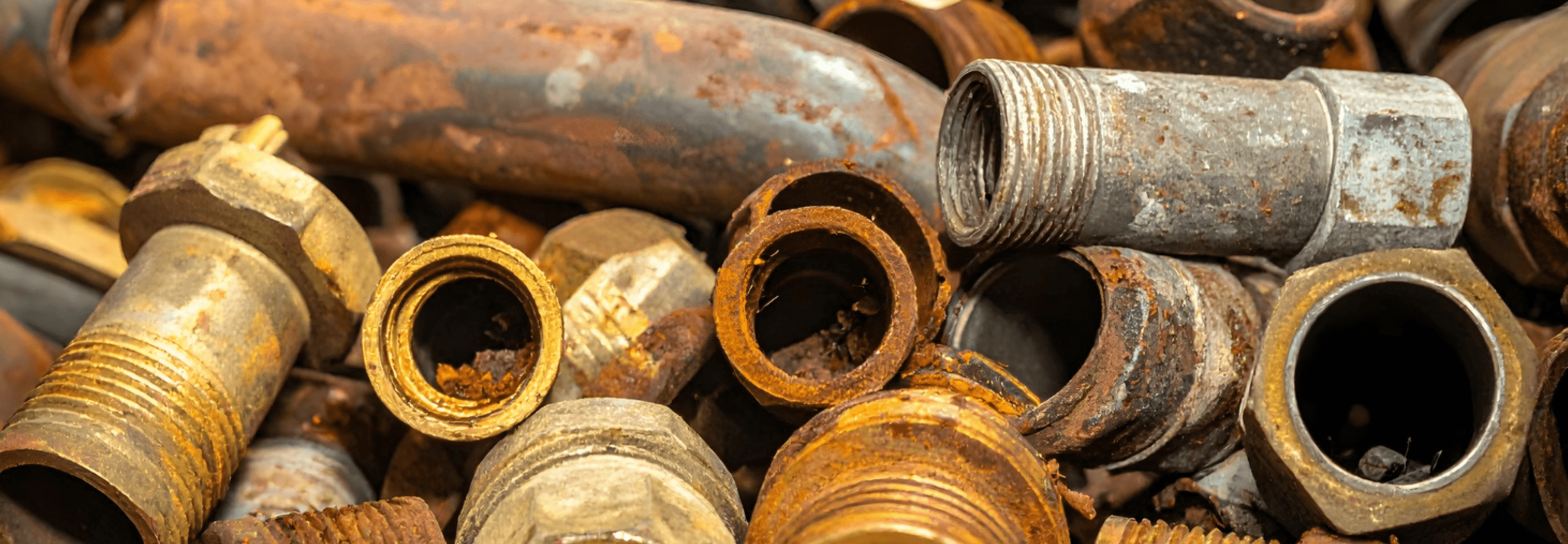
Gate valves, ball valves, taps, unions, couplings, and shower fittings are the most common source of brass metal scrap in commercial buildings. Many are chrome-plated, so scratch a hidden surface to see the yellow metal beneath, and remove steel spindles, rubber washers, and plastic handles before the lot is weighed.
Industrial Machinery Parts, Bushings and Gears
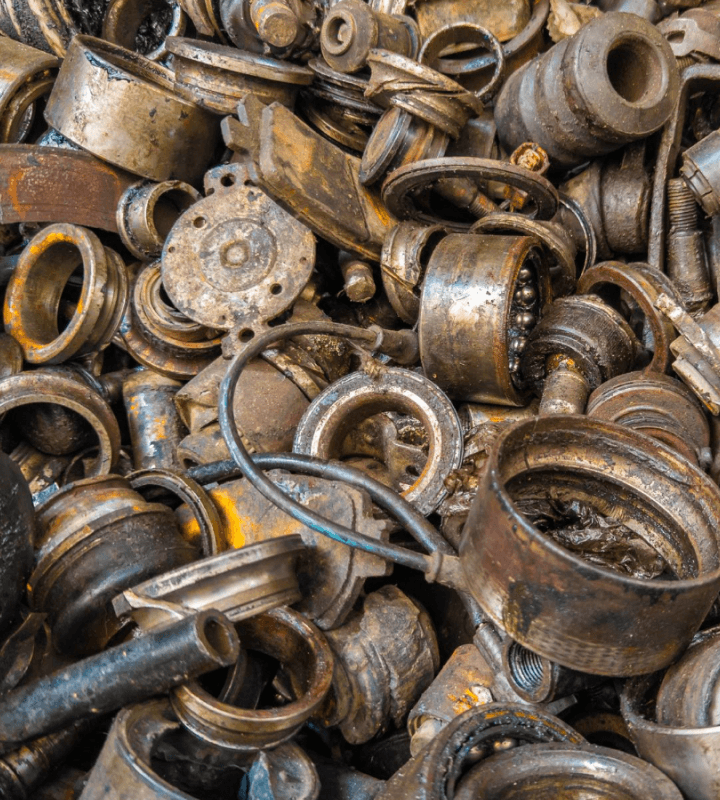
Machines contain brass bushings, gears, nuts, lubricator fittings and cage bearings, often fixed inside steel housings. Some of these parts are bronze, a copper-tin alloy, not brass, so describe them honestly in the listing and keep them in a separate lot because a buyer will price them on their own grade.
Electrical Fittings, Connectors and Meters
Cable glands, lugs, terminals, switchgear parts, and old meters carry brass for its conductivity and corrosion resistance. They usually arrive with plastic casings and steel screws attached, so a few minutes with a screwdriver and a magnet makes a clear difference to the grade.
Hotel, Hospital and Kitchen Equipment
Hotels and hospitals replace taps, steam valves, gas fittings, medical gas connectors and kitchen mixer units on a regular cycle. Most of these pieces are heavy, clean and well maintained, but they can carry residue from food, water or medical use, so rinse and dry them before they are stored for collection.
Marine and Pump Components
Pumps, impellers, strainers, propeller fittings and shipboard valves use brass and bronze because they resist seawater and wear. The Copper Development Association lists manganese bronze, a high-strength yellow brass, at 60-66% copper, so marine parts can differ widely in copper content and are best listed separately.
How to Identify and Separate Brass From Other Metals
Start with a magnet, because brass is not magnetic and steel and most iron are, so anything that sticks can be set aside at once. Then check the colour, which ranges from golden yellow to reddish gold, and scratch a small hidden spot on plated parts, as chrome or nickel plating can hide the metal beneath it.
Beware of look-alikes: bronze is darker and browner, stainless steel is often non-magnetic, and copper has a distinct red tone. Separating these early matters because a single mixed bag is usually priced close to its lowest-value metal, which can offset the care taken elsewhere.
How to Dismantle and Prepare Brass Scrap for Recycling
Unbolt fittings instead of cutting them, and remove steel spindles, rubber seals, plastic handles, and any iron attached to the body. Avoid cutting brass with a torch, because heating brass releases zinc fumes, and use a hacksaw or an angle grinder in a ventilated area when cutting cannot be avoided.
After dismantling, group the pieces into clean brass, brass with attachments and mixed material, and weigh each group on a calibrated scale. Take photographs of the full lot and a close-up of a typical piece, because clear images allow a quote that matches the material and reduce the chance of re-grading on arrival.
Brass Scrap Price Today: Rate Per Kg by Type
The brass scrap metal price depends on the type of material, and the SMM report shows how much quotes can vary on a single day. In Delhi, purja was quoted at ₹840,000-842,000 a tonne and honey at ₹880,000-882,000, while in Jamnagar local brass stood at about ₹853,000, Vilayati at ₹860,000 and honey at ₹920,000-927,000.
Divide each figure by 1,000 to get a rate per kg, which gives roughly ₹840 for Delhi purja and ₹920 or more for Jamnagar honey. These are trade quotes for graded material and not what a mixed lot of equipment will fetch, so check the live brass scrap price per kg in the MetalMandi app before you list.
Clean Brass vs Brass With Attachments
Clean brass is paid on its full weight, whereas brass with steel spindles, rubber or plastic carries weight that earns nothing and is priced down to allow for it. A valve with a steel stem and a rubber seat might look like one item, yet the buyer pays brass rates for only part of it, so removing the attachments moves more weight into the higher-paid category.
What Determines Brass Scrap Value
Brass scrap value depends first on the copper content, which varies by alloy, since cartridge brass is listed at 68.5-71.5% copper while manganese bronze falls between 60% and 66%. Next come purity, the weight of attachments, quantity and the benchmark price, as LME copper fell about 1.1% from US$14,751 on 14 October to US$14,595 on 16 October 2026.
Local demand shapes the quote as well as the metal. SMM described Jamnagar buying interest as average and honey demand as lower than the previous week, showing that a brass quote reflects both buyer appetite and the metal itself.
Step-by-Step: How to Recycle Brass Scrap From Commercial Equipment
- Download the MetalMandi app and register with your mobile number, then complete one-time KYC with an Aadhaar or PAN card and your GST number if registered.
- Dismantle the equipment, remove steel and plastic attachments and group the brass into clean, attached and mixed lots.
- Weigh each group and take clear photographs showing the full lot and a close-up of a typical piece.
- List each lot with type, estimated weight and photographs, then review the live quote and negotiate where applicable.
- Book collection from your site and track it in the app.
- Receive payment after inspection and weighing, with the weight and rate recorded in the app.
Common Queries From Commercial Brass Scrap Owners
Weighing, Deductions and Payment Terms
Our team inspects and weighs the lot on arrival, and any deductions for attachments, moisture, or mixed material are explained against the photographs you provided. Payment follows inspection and weighing, typically on the same business day, and is deposited directly it your bank account.
Pickup Support for Heavy Equipment
Heavy items such as large valves, pump bodies and marine fittings need a plan for access, lifting and loading. Tell us the approximate weight, where the material is stored, and whether lifting equipment is available at your site, and we'll arrange and track collection in the app.
Why Choose MetalMandi for Brass Scrap
You deal with one direct buyer, so no chain of dealers sits between your equipment and the rate you see in the app. Live prices, negotiation where applicable and recorded weights keep the process transparent, and the brass returns to India's circular economy through Attero Recycling.
Commercial equipment holds more brass than most businesses realise, and recovering it well comes down to identifying the metal, removing attachments, weighing honestly and checking the live rate for each type. A clean, well-photographed lot is priced on the metal it contains, whereas a mixed lot is priced on the weakest part of the pile.
FAQs
What commercial equipment contains brass that can be recycled?
Plumbing fittings, valves, taps, machine bushings and gears, electrical connectors and meters, hotel and hospital fittings, kitchen equipment, pumps and marine components all contain brass. Check each item with a magnet and a scratch test, then list the brass separately from steel and bronze.
How is brass scrap value calculated for equipment parts?
Brass scrap value depends on the alloy's copper content, the weight of clean brass after attachments are removed, purity, quantity, and the benchmark price on the day. Clean parts are paid on full weight, while parts with steel or rubber are priced down to allow for the extra weight.
What is the difference between brass metal scrap and brass purja?
Brass metal scrap is the broad term for any brass waste, from taps to machine parts. Brass Purja refers to loose brass parts and fittings, and it is quoted as a separate trade grade, as in SMM's Delhi quotes. Prices differ by grade, so list each type separately.
How does brass scrap recycling work after I list it?
Brass scrap recycling begins with sorting and inspection, after which the metal is melted, refined to the required copper-zinc balance and cast into billets or ingots. Those are then used by rod mills and fittings makers, which is why clean, sorted brass is valued more highly.
Do I need GST registration to recycle brass scrap as a business?
You complete a one-time KYC with an Aadhaar or PAN card, and GST-registered businesses also share their GST number. Because the tax treatment of scrap depends on your registration status, confirm your own position with your accountant before you list a lot.
Does MetalMandi arrange pickup for heavy brass equipment?
Yes, we arrange collection from your site and track it in the app. Share the approximate weight, storage location, and whether lifting equipment is available so we can plan the vehicle and loading before the visit.