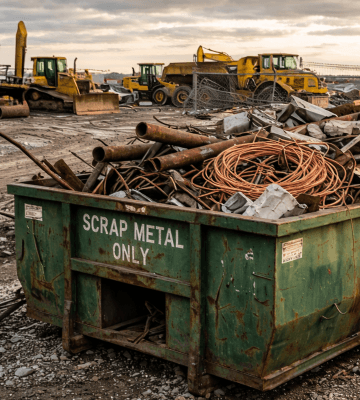
When you understand the types of scrap sitting in your store, plant, or warehouse, it becomes much easier to turn waste into value. You can sell scrap online in a more organised way, compare live prices, and move material faster without the usual delays. A digital-first marketplace also helps you handle metal, e-waste, plastic, paper, and mixed scrap with more clarity. That means better segregation, cleaner records, and more confidence in every transaction. For sellers who want speed, transparency, and fair value, the right platform can make a real difference. MetalMandi positions itself as a digital-first scrap marketplace powered by Attero, with real-time pricing, secure payments, free doorstep pickup, and zero commission.
Why Sell Scrap Online?
Selling scrap online offers a cleaner, more efficient process. Instead of dealing with local middlemen or informal buyers, you list your material on MetalMandi and sell directly. You can share the quantity, price, and images, then get a fair quote through the platform. MetalMandi also supports real-time updates, direct bank payments, quick pickup scheduling, and a simple app-based process. For you, that means less back-and-forth, more transparency, and better control over every sale.
Common Types of Scrap You Can Sell Online
Ferrous Metal Scrap
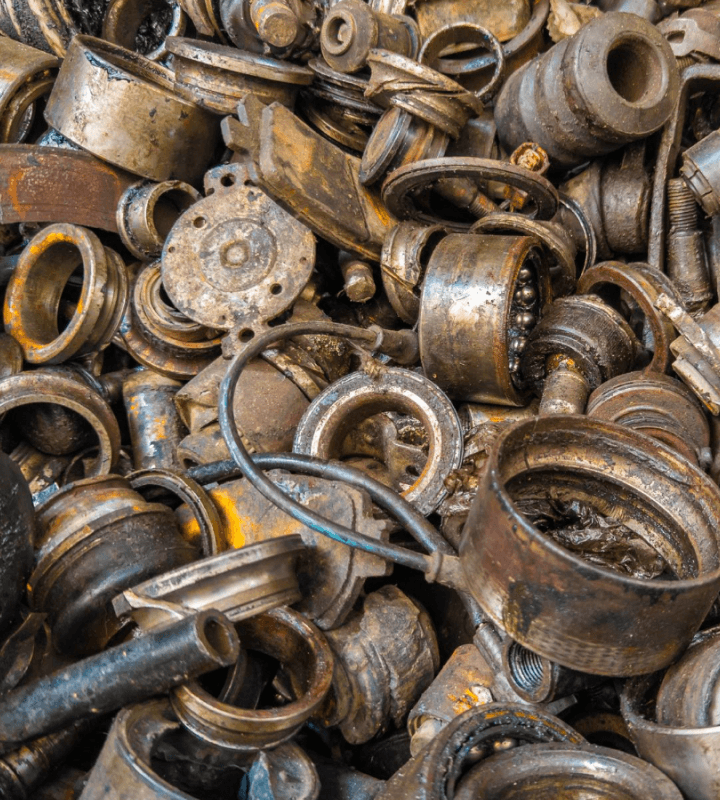
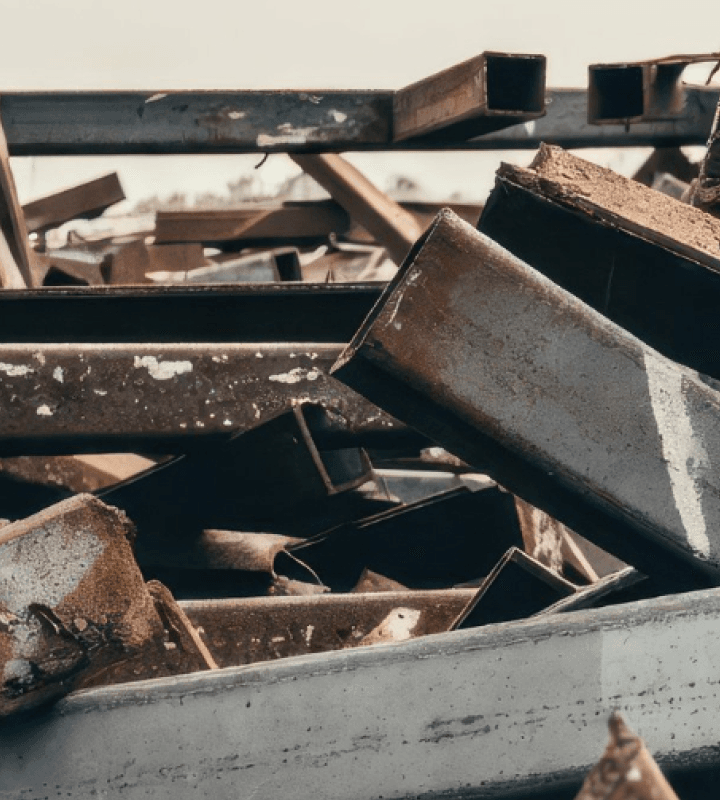
Ferrous scrap is metal that contains iron. This includes items like steel, old machinery parts, structural frames, and sheets. It is widely collected because it is strong, common, and easy to recycle. If you handle bulk industrial waste, ferrous scrap is often one of the first material streams you should separate.Non-Ferrous Metal Scrap
Non-ferrous scrap does not contain iron. This category includes copper, aluminium, brass, and similar metals. These are often more valuable than basic iron scrap because they are in high demand and easier to reuse in manufacturing. They are also important in organised recycling because they retain quality well after processing.E-Waste (Electronic Scrap)
E-waste covers old or broken electronics such as computers, cables, phones, monitors, and circuit boards. This is a major category because e-waste can contain recoverable metals and reusable components. It also needs careful handling, since electronics should not be mixed with general waste.Plastic Scrap
Plastic scrap includes packaging material, containers, industrial plastic offcuts, and discarded plastic products. When properly sorted, it can be sent to recycling channels instead of ending up in a landfill. Clean, sorted plastic usually has greater value than mixed or contaminated plastic.
Industrial Scrap
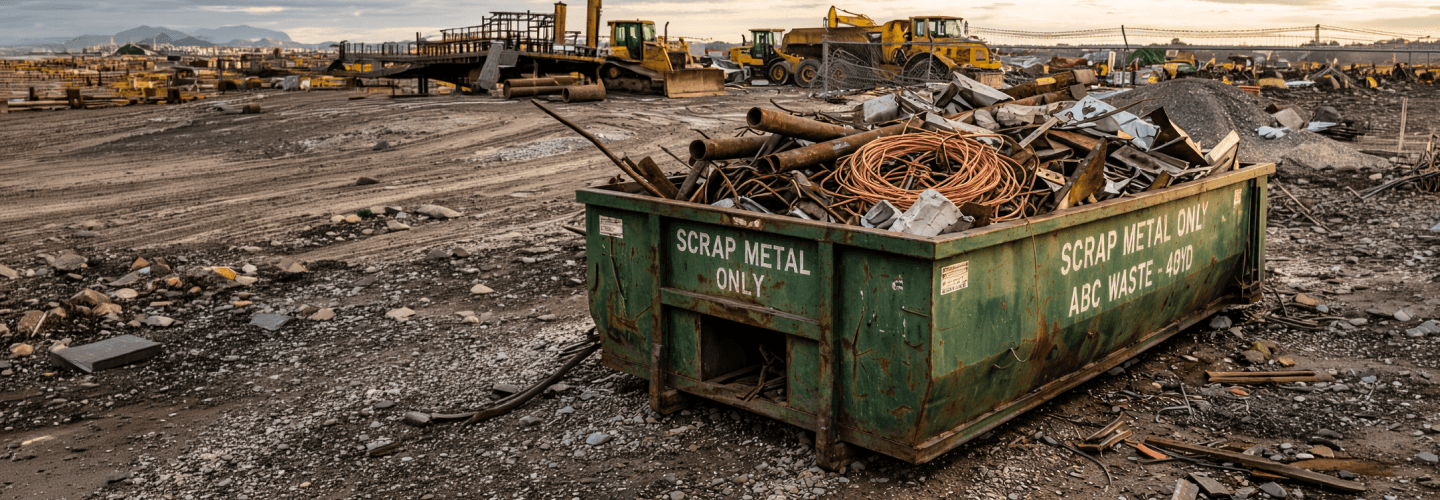
Industrial scrap comes from manufacturing and plant operations. It may include metal cuttings, damaged parts, packaging waste, rejected components, and leftover raw materials. This category is often sold in bulk, so strong segregation helps you recover more value.Paper & Cardboard Scrap
Paper and cardboard are among the most common recyclable materials. Office waste, cartons, printed sheets, and packaging boxes all fall under this category. Clean, dry, and sorted paper scrap is easier to process and usually easier to sell.Household & Mixed Scrap
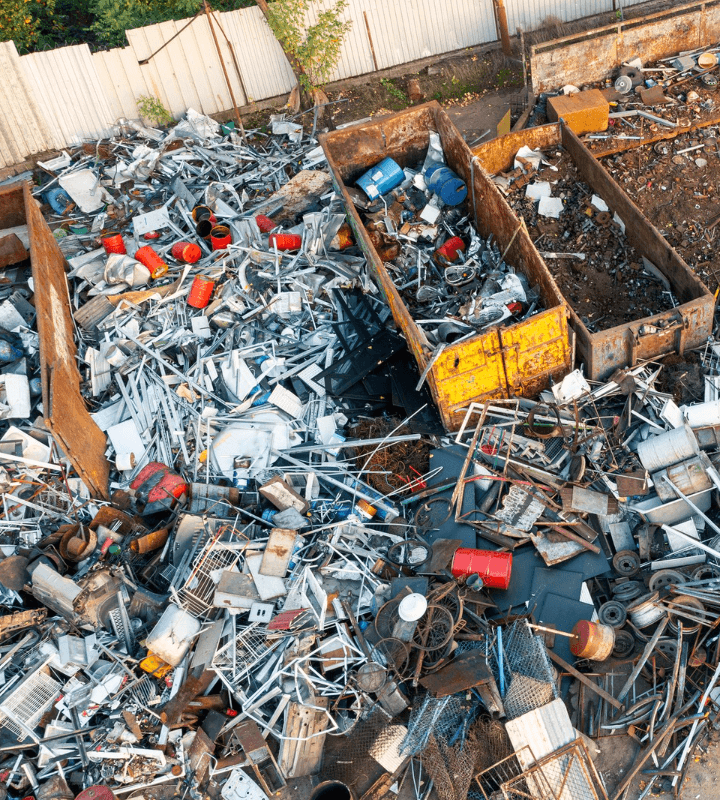
Household scrap can include old appliances, utensils, furniture parts, mixed metal items, and general recoverable waste from homes or commercial spaces. Mixed scrap is less neat, but it still has value when separated properly. Even small lots become useful when collected and channelled into a structured market.High-Value Scrap Materials to Look Out For
From a seller’s point of view, the highest-value items are usually the cleanest and most separated. Copper, aluminium, brass, stainless steel, and some electronic components often fetch stronger prices than mixed scrap. The reason is simple. It can be processed faster and recover more material. If you want better returns, focus on clean sorting, low contamination, and accurate weighing before you list anything.
How to Identify and Segregate Scrap Properly
Good segregation starts with simple rules. Keep metals separate from plastics. Keep e-waste away from general waste. Remove obvious non-recyclable material, such as dirt, food waste, or wet packaging. Then group items by material type and condition. If you do this before pickup, you make pricing easier and reduce disputes. MetalMandi’s model supports this kind of workflow through image-based listings, live quotes, pickup tracking, and transparent transaction history.
Why MetalMandi is the Best Platform for All Scrap Types?
MetalMandi stands out because it is built as a digital-first scrap marketplace. Attero powers it, offers live pricing based on market rates, and charges zero commission. The platform also highlights free doorstep pickup, secure payments, and 24/7 support. For you, that means a simpler selling process and a more organised way to move material into the circular economy.
Tips to Get the Best Value for Different Scrap Types
To get the best result, keep your material clean, dry, and sorted. Separate high-value metals from low-value mixed waste. Keep e-waste intact where possible, especially cables and electronic parts. Record the approximate quantity before listing and add clear images so it can be assessed quickly. Most importantly, check live price updates before you sell. That helps you avoid underpricing and gives you more confidence when choosing an offer. MetalMandi’s pricing page and app-based process are designed around this kind of real-time visibility.
Conclusion
Scrap has value when you treat it like a recoverable resource, not just waste. Once you understand the scrap materials list in your business or facility, you can sort better, sell faster, and recover more value from every pickup. Whether you are dealing with metal scrap types, e-waste, paper, plastic, or mixed loads, the right platform helps you stay organised and transparent. MetalMandi’s digital-first model makes that easier with live prices and a simple app-based experience.