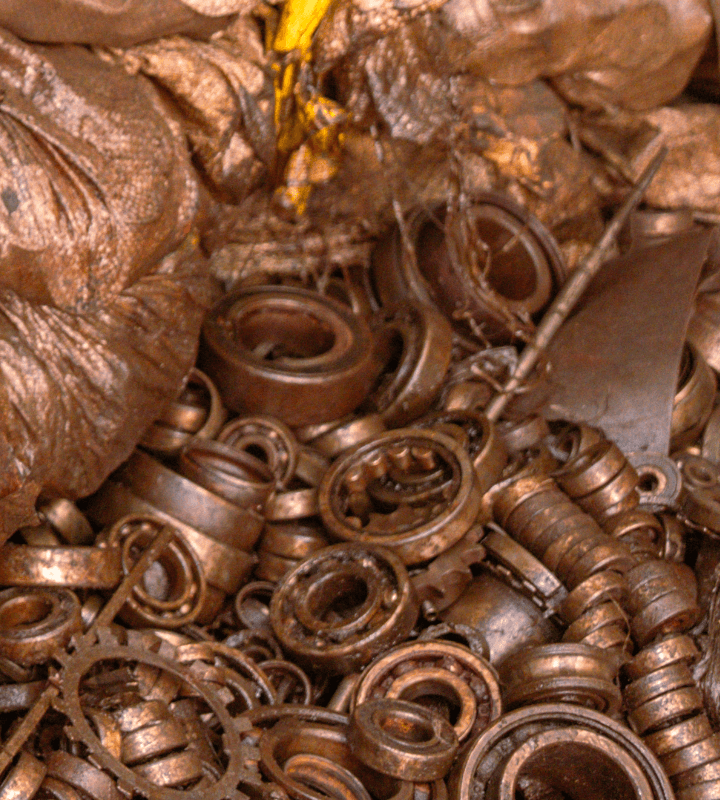
If you ask anyone running a brass parts unit, they'll tell you that purja is where the real money leaks out if you don't pay attention. Bulk brass metal scrap gets weighed, checked against LME rates and moved on quickly. Brass purja (loose turnings, fittings and machined off-cuts) is messier - mixed alloys, varying oil content, and a rate that shifts depending on who's grading it and how carefully. Since brass contains both copper and zinc, that adds a layer businesses often miss when they compare brass purja rates across a couple of dealers.
That's the gap MetalMandi set out to close: we buy brass purja directly from businesses across India, without middlemen or third-party traders. As a scrap marketplace powered by Attero Recycling, we run live rates, real-time price tracking and fast payments through a single app. Over 550 vendors already work with us, from small kabadiwalas (scrap dealers) sorting machined turnings by hand to industrial units clearing tonnes of mixed purja each month, and price negotiation stays open on both ends. Here's how brass purja scrap gets graded, what moves the brass purja scrap rate today, and how to come out ahead when you deal with it.
What Is Brass Purja Scrap
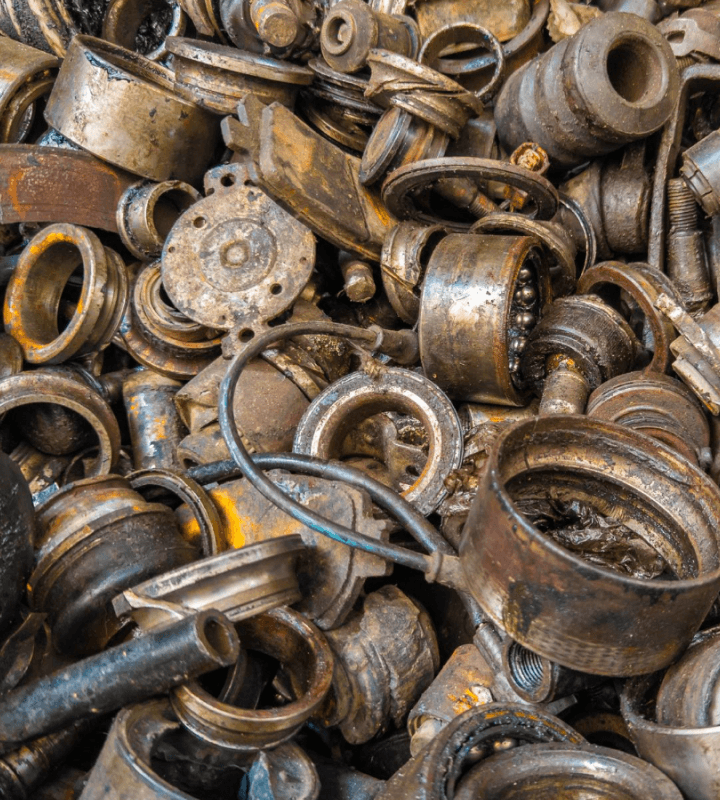
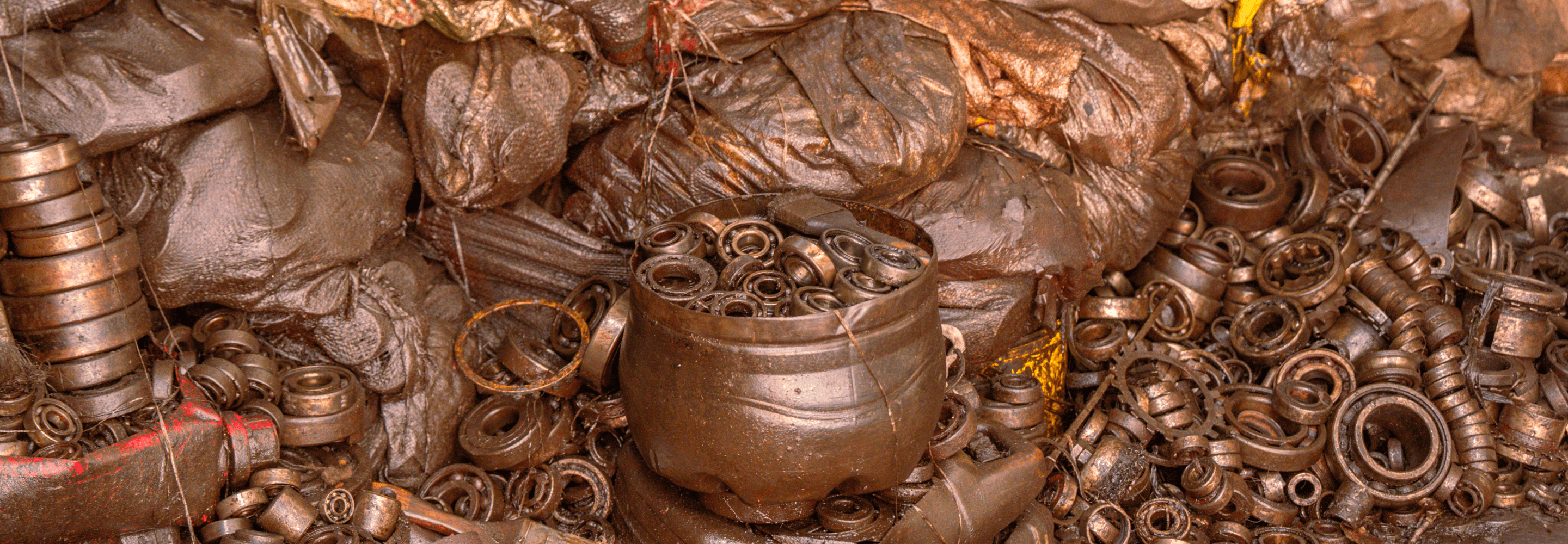
Brass purja is everything left on the workshop floor after the finished part goes out the door - turnings from a lathe, rejected tap bodies, valve stems, lock components that didn't pass quality, and off-cuts from sheet or rod. None of it is bulk material like sheet, rod or brass metal scrap sold by the tonne. Brass purja scrap is the by-product of precision work, generated wherever brass parts are machined: sanitary fittings units, electrical hardware manufacturers, lock and hinge makers, decorative fittings workshops.
That variety is the whole challenge. A single sack from a hardware unit might hold three different alloy grades, some steel fasteners, and machining oil still clinging to the metal - nothing like the clean, predictable feed a foundry gets from rolled brass sheet.
How Brass Purja Scrap Is Graded
Before quoting a brass purja scrap rate today, most graders run through the same checklist: what alloy (or mix of alloys) is in the lot, how much non-brass material is mixed in, and whether it's been cleaned or degreased. A sack of uniform lathe turnings from one alloy clears this fast. A mixed bag of fittings, screws and cut pieces takes longer to sort - and that time gets priced in.
There's a second factor people underestimate: oil. Machined turnings hold onto cutting fluid, and a wet, oily lot weighs more than it's worth in recoverable brass. That's one reason the brass purja rate today for turnings can look lower than expected until the material is properly drained.
Machined Brass Turnings vs Mixed Purja
Turnings and mixed purja aren't graded on the same scale. A drum of clean turnings from a single CNC job - one alloy, minimal oil, no foreign material - is about as close to a known quantity as purja gets. Mixed purja, pulled together from several jobs or several suppliers, needs sorting before anyone can put a confident number on it.
Impact of Contamination on Grade
Contamination doesn't need to be dramatic to matter. A handful of steel screws left in a bag, a smear of grease, a few plastic washers - none of it looks like much, but it all has to come out before melting, and that labour shows up in the purja scrap rate in today's quote. The businesses that consistently get better rates aren't necessarily sending cleaner metal in absolute terms - they're sending metal that's easier to process.
Brass Purja Rate Today: Key Price Factors
Three things move the brass purja rate today more than anything else: LME copper and zinc prices, since brass is an alloy of both; the grade of your specific lot; and how much material you're offering at once. LME sets the floor. Everything after that - the discount for mixed purja, the premium for clean turnings - layers on top. Demand from foundries and re-rollers matters too, and it's less predictable than people assume. A unit that needed feedstock badly last month might be fully stocked this month, which is exactly why that number doesn't stay the same week to week.
Purja Rate Today Across Metal Types
If you deal in more than one metal, it helps to know where each sits. Purja rate today follows a rough hierarchy - copper generally commands the highest number, brass comes next, and aluminium trails both, tracking each metal's base LME value. It's worth checking this ranking before assuming a brass purja rate today quote is out of line; it might just be brass doing what brass does relative to copper that week.
Brass Metal Scrap Price Trends
Bulk brass metal scrap, such as rod ends, sheet trims, and bar off-cuts, moves almost in step with LME pricing because it involves little sorting. Purja sits at a discount to it, not because the metal itself is worth less, but because someone must do the sorting and cleaning that bulk material skips.
Brass Recycling Process and Its Effect on Purja Value
Once purja leaves your premises, it goes through sorting, degreasing, melting and re-casting into billets or ingots - the same brass recycling process bulk scrap goes through, just with an extra sorting step at the front. Brass holds up well through repeated recycling, which is part of why even a small, well-sorted lot of purja still has genuine value. The less work a processor has to put into that first sorting step, the more of that value makes it back to you as rate rather than getting absorbed as cost.
Getting the Right Price for Brass Purja Scrap
A few things make a real difference on the ground: keep turnings from different jobs in separate bags rather than one mixed drum, wipe down or drain excess cutting oil before storage, and pull out obvious steel or plastic as you go rather than leaving it for the buyer to find. None of this takes long, and it changes how your lot gets graded - and what purchase rate you land today. Through the MetalMandi app, you send photos and an estimated weight, get an indicative rate back, and once the material's picked up and checked, payment comes through fast.
Why Recycle Brass Purja Scrap Through MetalMandi
No second buyer in the chain takes a cut before the money reaches you, as we deal with you directly and pay the quoted rate. Because our pricing runs on live market data, the brass purja scrap rate shown in the app today is current, not a number carried over from the last transaction. We take both small, occasional lots and steady monthly supply, work with 550+ vendors of different sizes, and leave room to negotiate where grade and quantity justify it - the same flexibility we offer on bulk brass metal scrap deals too.
Brass purja punishes carelessness and rewards a bit of effort at source. Keep alloys separate where you can, drain the oil, pull out what doesn't belong, and check the rate before committing a lot, not after. Do that consistently and the numbers tend to work in your favour. MetalMandi's live pricing keeps the process visible at every step, no matter your business size.
FAQs
What is brass purja scrap?
It's the loose, mixed brass left over from machining and fabrication, turnings, fittings, valve parts, off-cuts, as opposed to bulk brass metal scrap sold in sheet or rod form. Because it comes from multiple jobs and sometimes multiple alloys, it needs sorting before it can be melted down efficiently.
What is the brass purja rate today?
There isn't one fixed number - the brass purja rate today depends on LME copper and zinc prices, your specific grade, and quantity. Since brass combines both metals, its purja scrap rate today moves with whichever of the two is more volatile in a given week.
How does purja rate today vary across different metal types?
Each metal tracks its own LME benchmark, so purja rate today isn't directly comparable across them. Copper purja typically sits highest, brass below it, aluminium lower still - though within each metal, grade and contamination can shift the final number considerably.
Does the brass recycling process affect brass purja pricing?
Yes, the brass recycling process (sorting, cleaning, melting, re-casting) is exactly what a buyer prices in when quoting on purja. Less sorting required at the recycler's end generally means you get a better rate, since that cost isn't being deducted.
What is the difference between brass purja scrap and brass metal scrap?
Brass metal scrap is bulk material like sheet, rod, and bar that needs little sorting, and prices are close to the LME value. Brass purja scrap is mixed, smaller-format material from machining and fabrication that typically trades at a discount because it requires extra sorting.