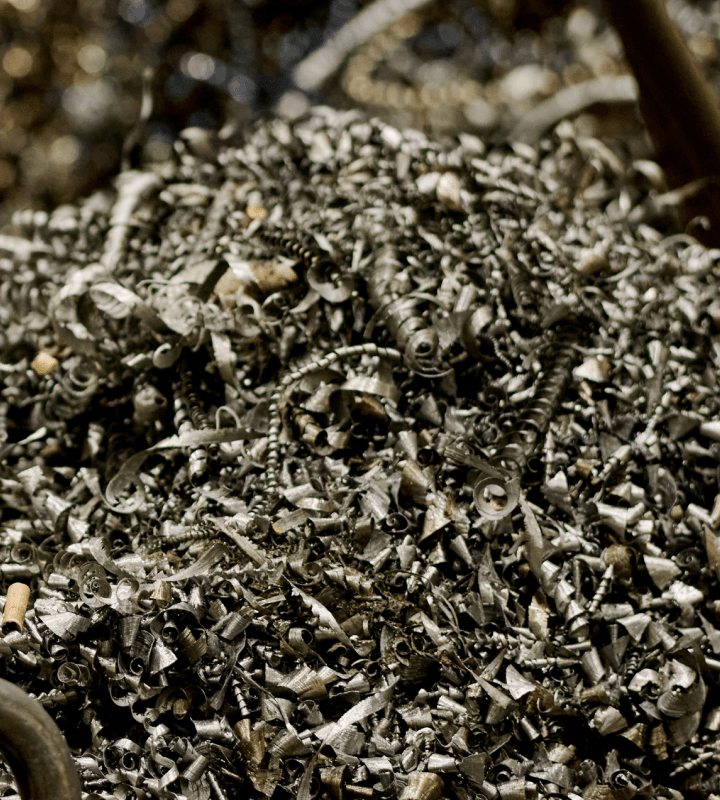
India may lose easy access to European aluminium scrap. In September 2026, the European Commission proposed dropping India from its list of non-OECD countries allowed to receive EU metal waste, and the report says access could end from 2027. That puts weight on home-grown scrap. India's secondary aluminium output has grown from 0.85 million tonnes in FY16 to nearly 2.2 million tonnes in FY26, about 35% of national aluminium use. Aluminium scrap recycling is no longer a side business.
At MetalMandi, a digital scrap marketplace from Attero Recycling, we buy directly, without any middlemen. Our app shows live prices and real-time price tracking, with fair pricing, negotiation where applicable and fast payments. We work with 550+ vendors, from small vendors to large industrial businesses. Here is how the aluminium recycling process works, and where aluminium scrap suppliers and aluminium scrap manufacturers fit in.
Why Aluminium Scrap Recycling Matters for Indian Industry
Recycling needs far less energy. In 2019, global primary aluminium took 186 gigajoules a tonne, while recycled aluminium took 8.3, a saving of 95.5%. The Aluminium Association of India, citing NITI Aayog's January 2026 roadmap, says primary production emits about 83 million tonnes of CO₂ a year, while recycling is a zero-discharge industry.
The Aluminium Recycling Process - Step by Step
The aluminium recycling process has three stages.
Collection and Sorting
Scrap arrives as wire, sheet, profiles, castings and appliance parts. It is sorted by alloy family, and steel, plastic and paint are removed. Clean input determines the quality of everything that follows.
Melting and Purification
Pure aluminium melts at 660°C, far lower than most metals. Furnaces melt the scrap, workers skim off dross (oxide waste), and samples are tested. Alloying elements are then adjusted to the target grade.
Casting Into Ingots or Billets
Molten metal is poured into moulds. Ingots go to foundries. Billets go to extruders.
From Scrap to Raw Material: How Aluminium Re-Enters Manufacturing
Ingots become die-cast parts, pumps, and fittings. Billets become window frames and profiles. Scrap that left a factory as waste returns as raw material.
Role of Aluminium Scrap Suppliers in the Recycling Chain
Aluminium scrap suppliers include factories, dismantlers, appliance units and kabadiwalas (scrap dealers). Their sorting sets the quality of the output. Imports are also under pressure. The UAE has imposed a 100 dirham-a-tonne export duty on aluminium scrap and temporarily banned some recyclable exports, while Saudi Arabia charges a 5% export tax. Together, they supply nearly 20% of India's scrap imports. Domestic supply matters more every month.
Role of Aluminium Scrap Manufacturers (Ingot and Alloy Producers)
Aluminium scrap manufacturers buy scrap, melt it, test it and cast it into alloy ingots to a customer's grade. The Material Recycling Association of India says recycled aluminium products already meet BIS (Bureau of Indian Standards) norms. The Aluminium Association of India wants BIS standards notified for the scrap itself.
Environmental and Cost Benefits of Aluminium Scrap Recycling
Less energy, less mining, and no red mud. The Aluminium Association of India says smelting produces 4 to 5 tonnes of red mud for every tonne of aluminium. Lower energy use also cuts melting costs.
Does Recycled Aluminium Quality Match Primary Aluminium
For many cast and extruded products, yes. For certain high-grade alloys, primary metal is still needed, and sensor-based sorting helps recycled metal reach high quality.
How Suppliers Deal Directly with MetalMandi
There is no chain of dealers - a supplier lists the lot, sees the live rate, negotiates where applicable, and we collect, inspect and pay. We are the only buyers.
How MetalMandi Works With Aluminium Scrap Suppliers
MetalMandi buys aluminium wire, aluminium soft rassa, aluminium hard rassa, sheets and other aluminium scrap from small vendors and large industrial units. Sort your scrap by type and upload clear photos to get accurate quotes based on current rates. The collected material supports Attero Recycling's work in India's circular economy.
Aluminium scrap recycling gives used metal a second life while reducing the energy needed for primary aluminium production. Sorting scrap correctly and maintaining consistent material quality improves its value and supports more efficient recycling.
FAQs
What is aluminium scrap recycling and why is it important?
It melts using aluminium and casts it into new metal. It saves energy, reduces mining, and cuts import dependence.
What are the steps involved in the aluminium recycling process?
Collection and sorting, melting and purification, then casting into ingots or billets.
How does aluminium scrap recycling convert waste into industrial raw material?
Scrap is melted, cleaned of dross, adjusted to a target alloy and cast. The ingots or billets then feed foundries and extruders.
What is the role of aluminium scrap suppliers in this process?
They supply raw input. The cleaner and better sorted their scrap, the better the recycled metal.
How do aluminium scrap manufacturers use recycled scrap to produce ingots?
They melt sorted scrap, test it, adjust the alloy and cast ingots for foundries and die-casters.
Is recycled aluminium quality as good as primary aluminium?
For many products, yes, and recyclers say it meets BIS norms. Some high-grade alloys still need primary metal.
How much energy or cost is saved through aluminium scrap recycling?
About 95% less energy than primary production, based on International Aluminium Institute figures for 2019.
Does MetalMandi help match aluminium scrap suppliers with buyers?
No matching is needed. We are the direct buyer, so suppliers deal only with MetalMandi.