Ingot price today is the number most scrap businesses check first, since it's widely published and easy to find. The trouble is, it rarely matches the rate quoted for raw scrap, and that gap often leaves first-time sellers feeling shortchanged. The truth is simpler than it looks: ingot price reflects finished, processed metal, while scrap rate reflects raw material before conversion, loss, and processing costs.
MetalMandi, a digital scrap marketplace powered by Attero Recycling, works directly with businesses to bridge that gap with transparency, not guesswork. We track live ingot prices today across MS, steel, aluminium, and brass, and our quoted scrap rates are calculated using the same conversion logic every time - not a rough estimate. This blog explains what an ingot is, how ingot prices compare across metal types, and exactly how scrap-to-ingot conversion rates are calculated.
What Is an Ingot and Why Its Price Matters to Scrap Businesses
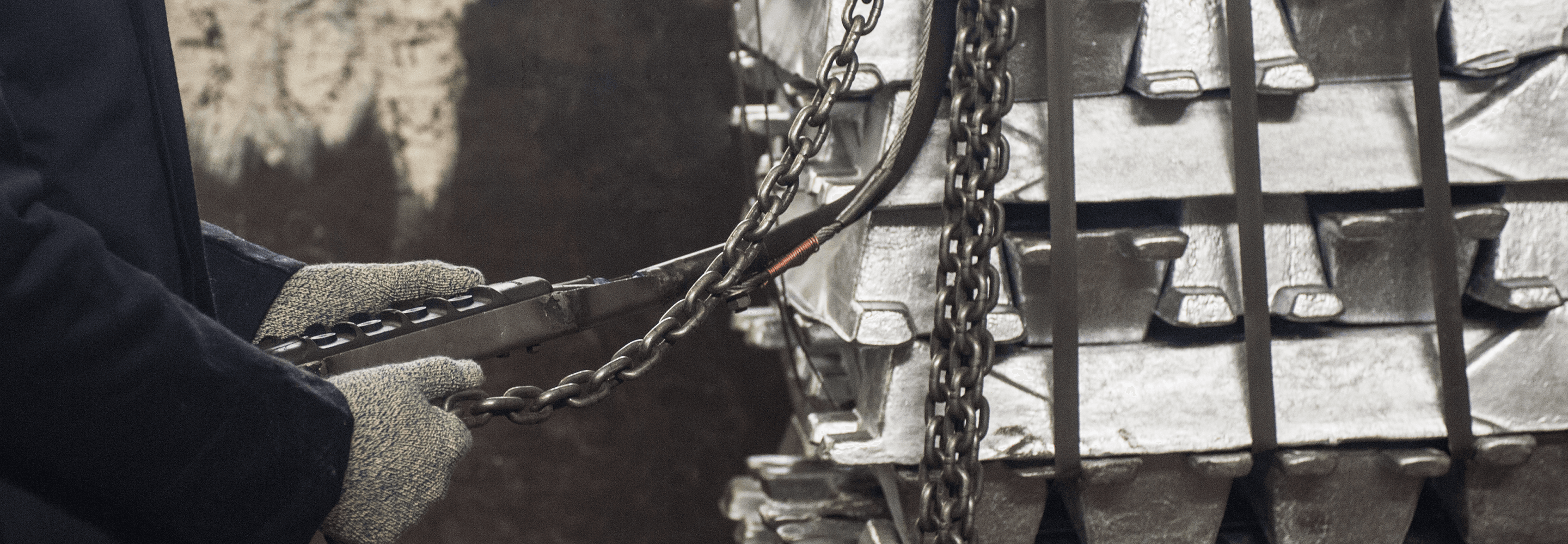
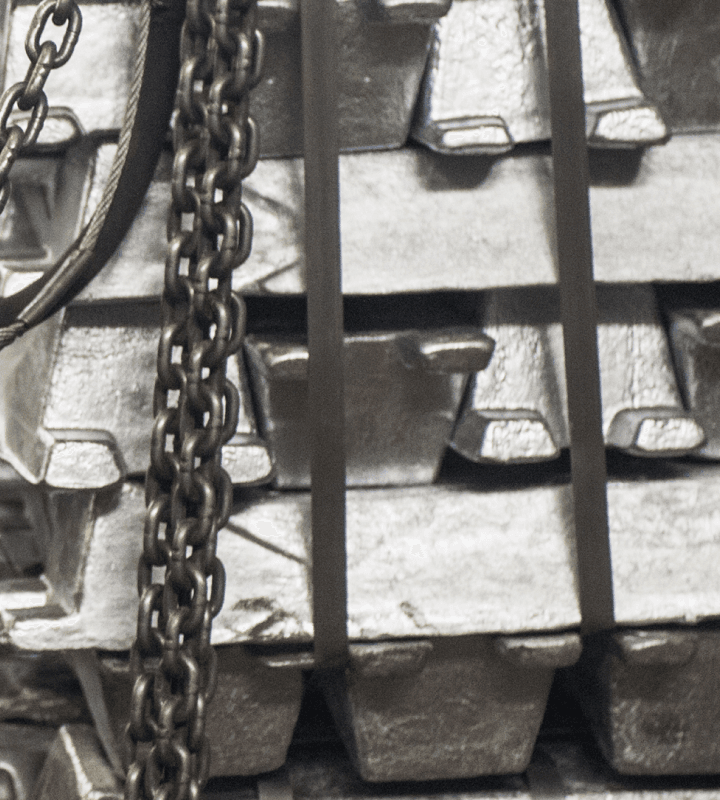
An ingot is metal that has been melted, purified, and cast into a standard block ready for reuse in manufacturing. Ingot price today matters because it sets the ceiling scrap rates are calculated against once melting loss and processing costs are deducted.
Ingot Price Today: Overview by Metal Type
Ingot rate today differs significantly by metal, driven by demand, purity requirements, and how much processing each metal needs before it reaches ingot form.
MS Ingot Price Today
MS ingot price today tracks steel production demand closely, since MS ingot is a core input for rolling mills producing construction-grade steel.
Steel Ingot Price Today
Steel ingot price today generally moves with infrastructure and manufacturing activity, and tends to sit close to, though distinct from, general ingot price benchmarks.
Aluminium Ingot Price Today
Aluminium ingot price today reflects global aluminium scrap trends along with local recovery costs, since aluminium scrap needs more intensive processing to reach ingot purity.
Brass Ingot Price Today
Brass ingot price today is influenced by both copper and zinc prices, since brass is an alloy of the two, and its ingot value moves with whichever input metal shifts more.
How Scrap-to-Ingot Conversion Rates Are Calculated
Converting scrap rates to ingot prices involves three main deductions.
Melting Yield and Recovery Percentage
Not all scrap survives melting - contamination, coatings, and moisture reduce the final recoverable weight, and this recovery percentage is subtracted first.
Yield weight is calculated by subtracting the loss percentage from 100% and multiplying the result by the raw metal weight. Yield percentage is then calculated by dividing the yield weight by the raw weight and multiplying it by 100. For example, if the raw metal weight is 2,500 units and the losses are 8%, the resulting yield weight is 2,300 units, giving a yield percentage of 92%.
Processing and Furnace Costs
Furnace time, fuel, and labour to convert raw scrap into ingot form all carry a cost, which is factored in before arriving at a scrap-appropriate rate.
Why Scrap Rate Is Always Lower Than Ingot Price
Once yield loss and processing costs are deducted from the ingot price, the remaining figure becomes the scrap rate, which is why scrap is always priced below finished ingot.
How Ingot Price Trends Influence Scrap Buying Rates
When ingot prices move, scrap buying rates typically follow within days, since the conversion calculation is directly tied to the current ingot benchmark.
Why Ingot Price and Scrap Rate Don't Match
The mismatch isn't a lack of transparency - it's simply that ingot price reflects a finished product, while scrap rate reflects raw material still carrying recovery and processing costs.
How to Track Daily Ingot Price Changes
Checking a live, app-based rate board daily is far more reliable than relying on last week's number, especially for metals like aluminium and copper where movement can be sharp.
Why Track Ingot Prices on MetalMandi
MetalMandi's app shows live ingot prices today across major metal types, alongside the scrap rate we quote, so businesses can see exactly how one connects to the other rather than taking the number on faith. Ingot price today and scrap rate are two ends of the same calculation, not two unrelated numbers. Once you understand melting yield and processing cost, the gap between them stops feeling arbitrary and starts making practical sense.
FAQs
What is the ingot price today for MS, steel, aluminium, and brass?
Ingot prices vary by metal based on demand and processing needs - MS and steel typically track construction and infrastructure activity. In contrast, aluminium and brass ingot prices depend more on recovery cost and alloy input metals.
How is the scrap-to-ingot conversion rate calculated?
The conversion starts from the ingot price, then subtracts melting yield loss and processing costs like furnace time and labour. What remains after these deductions becomes the quoted scrap rate.
Why is the ingot price today always higher than the scrap rate?
Ingot price reflects a finished, purified product ready for reuse. In contrast, scrap rate reflects raw material that still needs melting, purification, and processing - all of which add cost and cause weight loss.
What causes daily changes in ingot price?
Ingot price shifts with global metal trends, industrial demand, and input costs like energy and processing. Since ingot is a manufacturing input, it reacts quickly to shifts in construction and production activity.
How does ingot price affect the scrap rate I get quoted?
Since scrap rate is calculated as ingot price minus recovery loss and processing cost, any change in ingot price moves the scrap rate quoted to you in the same direction, usually within a short lag.