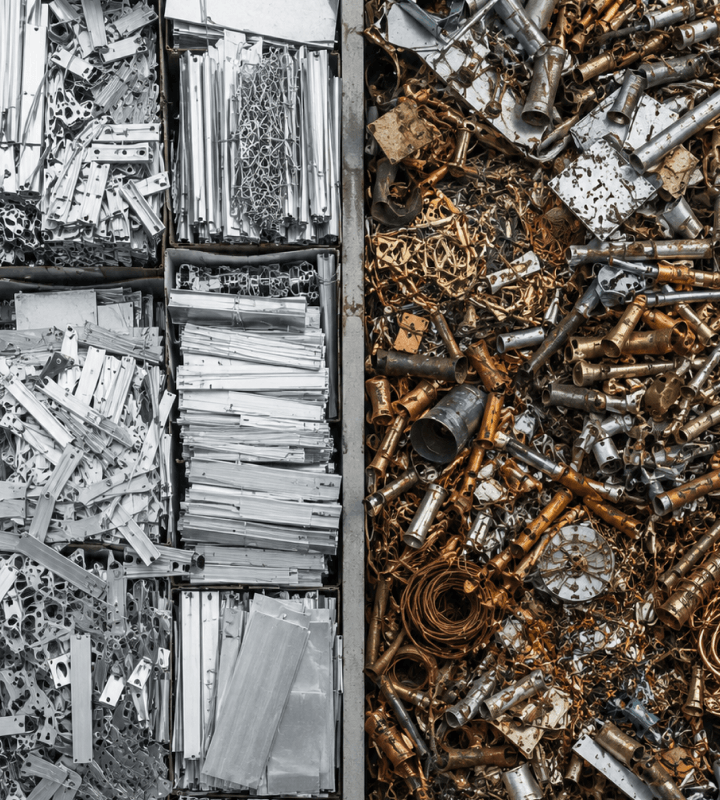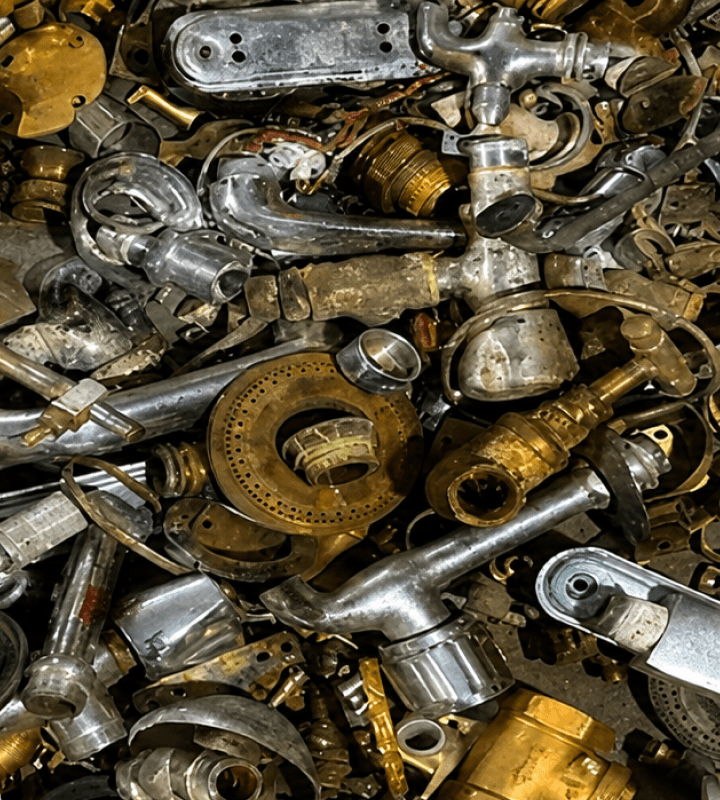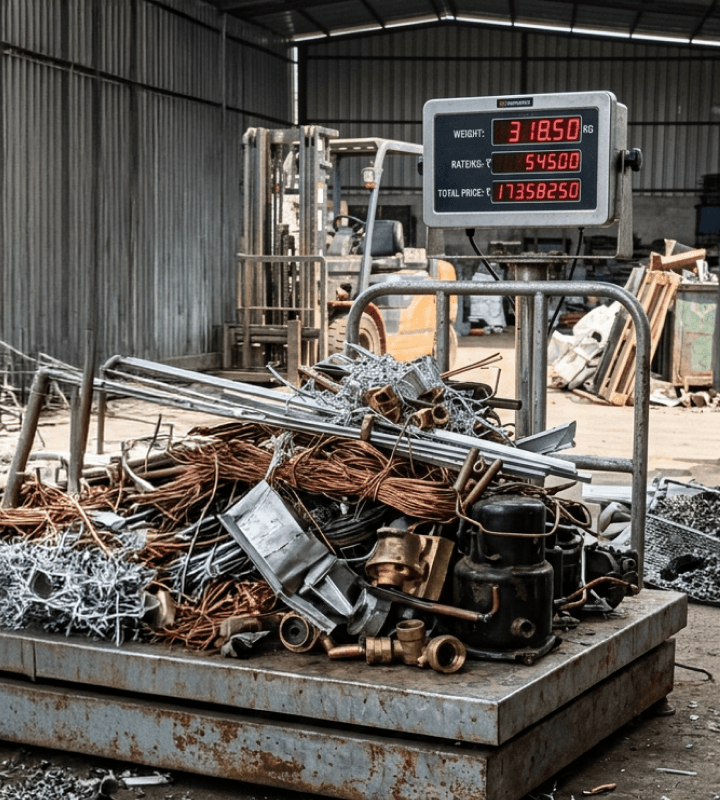
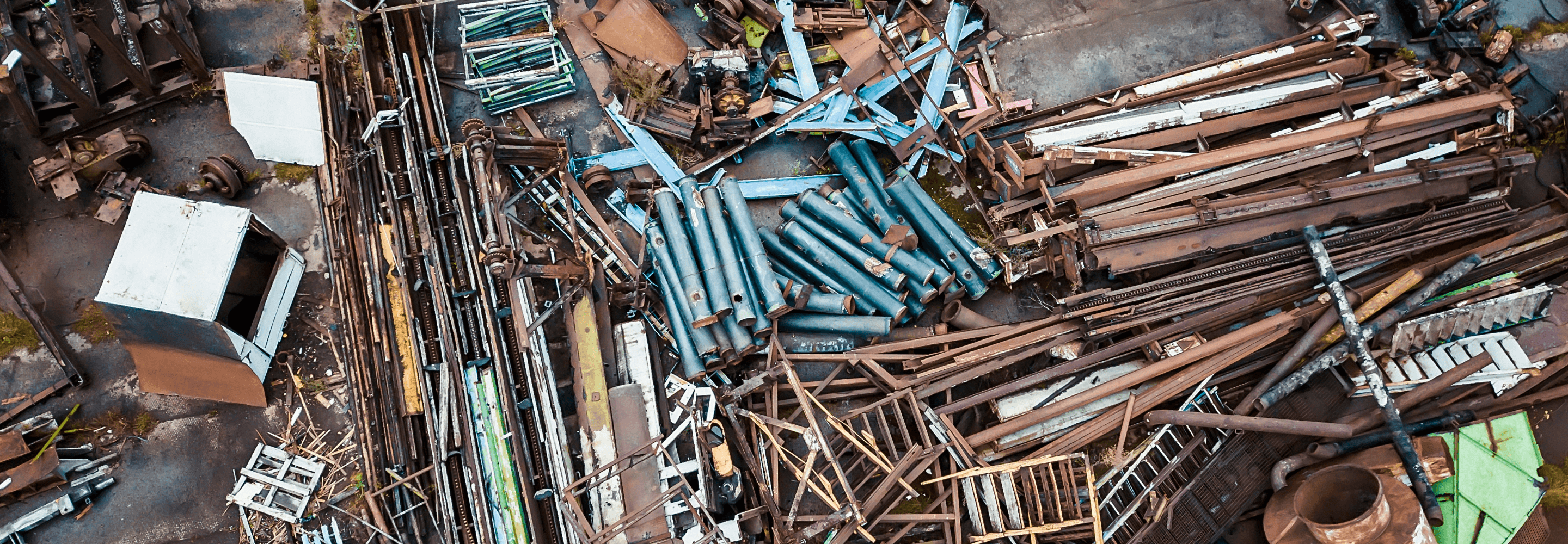
Copper closed at 625.7 US cents per pound on the London Metal Exchange on 30 July 2026. The 2026 average stood 38.63% above the same period of 2025. Every kabadiwala (scrap dealer) in India felt that move, in the rate sheet or in the margin. Metal recycling prices follow global metal pricing, but not in a straight line. Some days scrap metal rates move first, while other days they trail for a week.
At MetalMandi, a digital scrap marketplace by Attero Recycling, we buy directly from you without any middlemen. Our app shows live prices and real-time price tracking, so you can see how global moves affect scrap copper prices, aluminium scrap rates, and brass scrap prices before you act. We offer fair pricing, price negotiation where applicable and fast payments, and we support India's circular economy. We work with 550+ vendors, from small vendors to large industrial businesses.
How Is Metal Pricing Set Globally
Metal pricing starts on exchanges - the London Metal Exchange (LME) sets the global benchmark for copper and aluminium. In India, the MCX (Multi Commodity Exchange) tracks them in rupees as a weaker rupee lifts rupee prices even when dollar prices remain flat. Supply news moves the benchmark too - Zambia's waiver of its 10% export duty on copper concentrate expired on 30 September 2026, with no extension announced.
Domestic Demand and Import-Export Trends
India leans heavily on imports. Copper scrap imports rose 24% year on year in January - April 2026. For aluminium, the Material Recycling Association of India says imports meet 80 - 85% of scrap demand, and a 2.5% customs duty applies. The UAE also planned a scrap export restriction from 10 June to 8 October 2026. When imports tighten, local scrap metal rates firm up.
How Metal Price Fluctuations Affect Scrap Recycling Prices
Global moves reach the scrap yard in two steps. The benchmark shifts first. Then dealers reprice their stock.
Primary Metal Price vs Scrap Metal Rates
Scrap trades at a discount to primary metal, and the two rarely move by the same percentage. On 10 June 2026, LME copper fell about US$400 a tonne, and copper armature scrap ex-Delhi fell about 2% to INR 1,260,000 a tonne.
Lag Time Between Global Price Moves and Local Scrap Rates
A week later, benchmark prices rose with the same scrap still slipped about 1%, to INR 1,250,000 a tonne. Dealers quote against the stock they hold and the cash they have, not against a screen. That gap can last days.
Impact on Specific Metals
Each metal reacts differently - copper moves first; aluminium follows policy, and brass follows its own buyers.
Scrap Copper Prices and Global Copper Trends
Scrap copper prices respond fastest because every rod maker watches the LME. In January 2026, LME copper crossed US$13,000 a tonne, yet India's copper scrap imports still rose 15% to 35,042 tonnes. Rod makers used scrap instead of cathode.
Aluminium Scrap Rate Movements
The aluminium scrap rate follows LME aluminium, which closed at US$3,231 a tonne on 30 July 2026. Policy adds a second driver - the Mines Ministry reportedly backs removing the 2.5% duty on aluminium scrap, and that would lower import costs for recyclers.
Brass Scrap Price Sensitivity
The brass scrap price tracks copper only loosely. Jamnagar has over 4,000 brass units and produces roughly 60 - 65% of India's brass, so its buying sets the tone. In April, firm copper did not lift brass scrap because buying stayed need-based. By 19 June, brass honey scrap, a common brass grade, stood near INR 810,000 for a tonne ex-Jamnagar.
How Scrap Metal Recyclers and Dealers Respond to Price Changes
Scrap metal recyclers protect their margin first. A scrap metal dealer holds stock bought at yesterday's rate, and when prices fall, the offers drop quickly. In June, BigMint noted widening bid-offer gaps in North India.
What Businesses Should Know Before Pricing Their Scrap
- Check LME and MCX copper and aluminium before any call.
- Separate grades. Mixed maal (material) earns the lowest rate.
- Expect local offers to trail global moves by a few days.
- Don't hold stock on a rumour. Check the live rate and decide.
Why Track Metal Recycling Prices on MetalMandi
Rates in our MetalMandi app move with the market, and our live pricing reads the same signals dealers watch. See today's rate, request a quote, and negotiate where applicable. KYC is a one-time step, and after that, listing a lot takes minutes. Metal recycling prices follow global metal pricing, with delays and local quirks. Watch the benchmark, know your grade, and check the live rate before you commit.
FAQs
How does global metal pricing affect scrap metal rates in India?
LME prices set the benchmark, and the rupee adjusts it. Dealers then reprice stock over several days. Import volumes, customs duty and local demand decide how much of the global move reaches your scrap metal rates.
Why do scrap copper prices change more frequently than other metals?
Copper is traded heavily, and rod makers, cable units and importers all watch it daily. So scrap copper prices react to every LME move and every change in imported scrap offers.
Does the aluminium scrap rate move in line with LME aluminium prices?
Broadly yes, but not one for one. India imports 80 - 85% of its aluminium scrap, so duty, freight and import supply also shape the aluminium scrap rate.
How quickly do local scrap metal dealers adjust rates after a price change?
Usually within days, not hours. A scrap metal dealer first clears stock bought at older rates. They pass on falls faster than rises.
Do brass scrap prices fluctuate as much as copper or aluminium?
Less sharply. Brass scrap prices depend on copper, but also on demand in Jamnagar and export orders. Brass can stay flat while copper moves.
How can scrap metal recyclers help me get the best price during volatile markets?
Scrap metal recyclers pay more for sorted, clean material. Separate grades, remove attachments, and send clear photos. Check the live rate before you confirm.
Where can I track daily metal pricing trends relevant to scrap recycling?
Follow the LME and MCX for benchmark prices. For scrap prices, the MetalMandi app provides live rates by material, allowing you to compare current prices with those from the previous week.