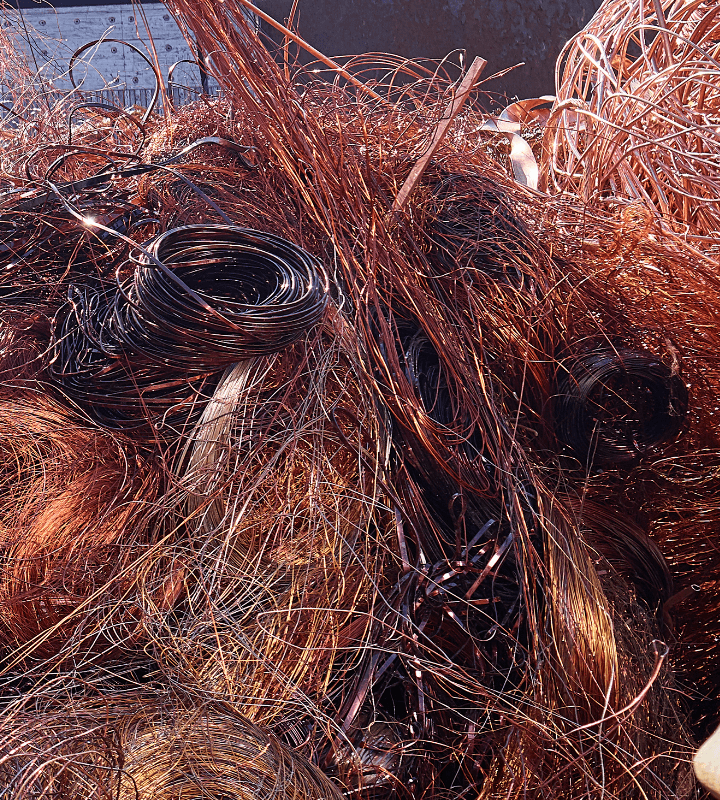
Copper armature and bhatti scrap come from two very different parts of the recycling chain - one from motor rewinding and dismantling, the other from informal burning or melting of mixed copper waste. Both are common categories in India's scrap trade, and both raise the same question: why does the quoted rate never quite match what the raw weight suggests? The answer lies in melting loss, a factor that shapes pricing far more than most people expect.
At MetalMandi, a digital scrap marketplace by Attero Recycling, we work directly with businesses across the country, without brokers setting the final number. Our platform applies live market rates and transparent grading, so the difference between armature and bhatti copper is reflected honestly in the price you are quoted, not buried in vague deductions. This blog explains what copper armature and bhatti scrap are, how each is graded, why melting loss changes the final rate, and how today's broader copper market affects both.
What Is Copper Armature Scrap
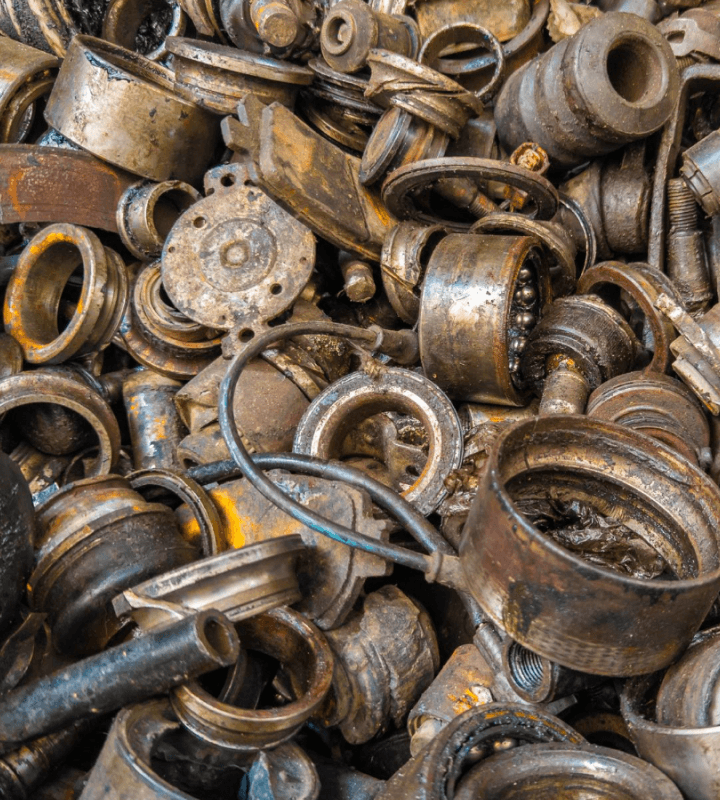
Copper armature scrap comes from electric motors - the copper-wound rotor and stator sections removed during motor dismantling or rewinding. It typically contains copper windings bonded to iron laminations, which is why armature is graded separately from clean copper wire.
What Is Copper Bhatti Scrap
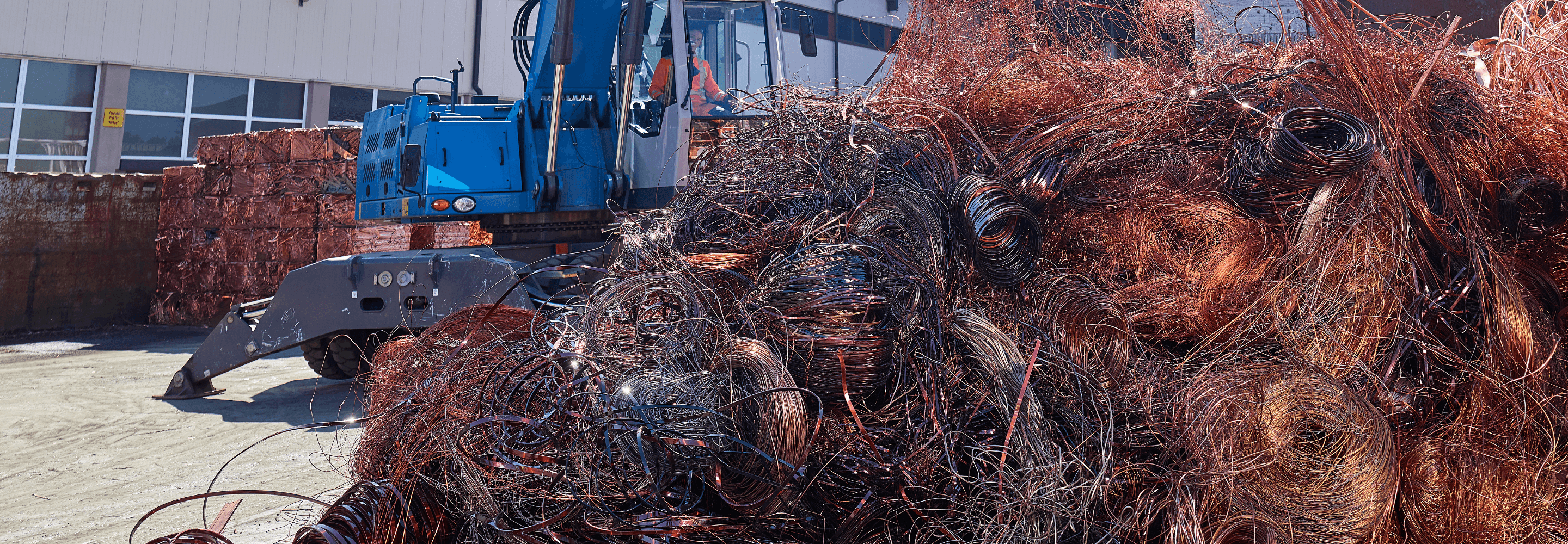
Bhatti (furnace) copper scrap refers to copper recovered after burning off insulation or melting mixed copper waste in an open furnace. This process is common with lower-grade or heavily insulated copper that isn't worth stripping by hand.
Grading Copper Armature and Bhatti Scrap
Both categories are graded by copper content, but the recovery method changes what "clean" actually means.
Armature Grade Based on Copper Content
Armature is graded by the ratio of copper winding to iron core. Motors with a higher proportion of visible copper winding and less lamination weight are graded as stronger.
Bhatti Grade After Burning or Melting
Bhatti copper is graded after the burning process, based on how much usable copper remains and how much ash, slag, or residue is mixed in.
Understanding Melting Loss in Bhatti Copper
Melting loss is the weight copper sheds during burning or furnace processing - insulation, coatings, and moisture all burn off, leaving less recoverable metal than the original raw weight suggests.
Armature Rate Today vs Copper Bhatti Rate Today
The armature rate today usually sits above the copper bhatti rate today, since armature retains more of its original copper content before any burning loss is deducted.
What Determines Copper Armature Price
Copper armature price depends on copper-to-iron ratio, motor type, winding condition, and current copper demand. Larger industrial motors with heavier windings typically command a higher copper armature price.
Scrap Copper Prices Today: Broader Market Context
Scrap copper prices today move with global copper trends, industrial demand, and supply availability. Since armature and bhatti are both copper-based, their rates rise and fall with the wider copper market, even though the base value differs.
Common Queries About Armature and Bhatti Scrap
Two concerns come up repeatedly from businesses dealing in this category.
Rate Difference Due to Melting Loss Deduction
Many assume the quoted rate should match raw weight. The melting loss deduction accounts for material that genuinely won't survive processing, and it's applied consistently across every lot.
Payment and Testing Concerns
Businesses often want testing and payment handled the same day. On MetalMandi, we weigh and grade on arrival, and release payment once verification is complete.
Why Sell Armature and Bhatti Copper Scrap on MetalMandi
We buy directly, apply transparent grading for both armature and bhatti categories, and reflect live copper market movement in every quote - with negotiation available and fast payment once verified. Armature and bhatti copper are priced differently for good reason.
Understanding melting loss and copper content helps you judge a quote fairly, rather than comparing it against a raw weight that was never going to survive processing intact.
FAQs
What is copper armature scrap?
Copper armature scrap is the copper-wound section removed from electric motors during dismantling. It contains copper windings attached to iron laminations, so it is graded by the copper-to-iron ratio rather than pure copper.
What is copper bhatti scrap and how is it graded?
Copper bhatti scrap is copper recovered after burning off insulation or melting mixed copper waste in a furnace. It is graded based on the copper that remains after burning, accounting for ash, slag, and residual impurities.
What is the copper armature scrap price today?
The copper armature scrap price today depends on the copper-to-iron ratio, motor size, and current copper demand. Checking live rates on the MetalMandi app gives an accurate, updated figure by armature type.
Why is bhatti copper priced lower due to melting loss?
Bhatti copper loses weight during the burning process as insulation, coatings, and moisture burn away. This melting loss reduces the recoverable copper, which is why bhatti typically prices below armature or clean wire scrap.
How do overall scrap copper prices today affect armature and bhatti rates?
Today's scrap copper prices set the baseline that both armature and bhatti rates move against. When broader copper demand rises, both categories firm up, though bhatti still trades at a discount due to melting loss.