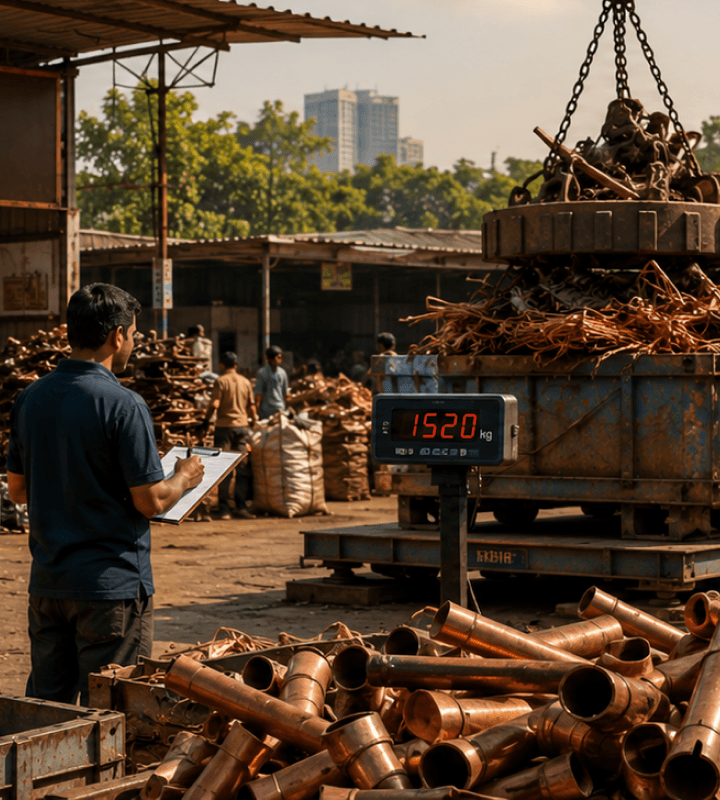
Copper is one of the more volatile metals to price, since it trades as a global commodity and reacts to events far beyond any single Indian city or scrap yard. A rate that looked fair last week can shift within days on the back of a mine shutdown on the other side of the world or a move in the rupee-dollar exchange rate.
At MetalMandi, we are a digital scrap marketplace powered by Attero Recycling, and copper is one of the materials our vendors trade most actively. As the direct buyer, we remove every middleman from the process, so businesses recycling copper wire, cables, or industrial offcuts deal directly with us.
Rates track live market data and update in real time on the app. Payments are processed quickly once the material is verified, and price negotiation is available wherever applicable. MetalMandi currently works with 550+ vendors across India, ranging from small scrap businesses to large industrial suppliers.
This guide looks at how the copper scrap rate is built, what separates one grade from another, and where recent global price trends are headed so that you can judge any quoted rate with more confidence.
Today's Copper Scrap Rate in India
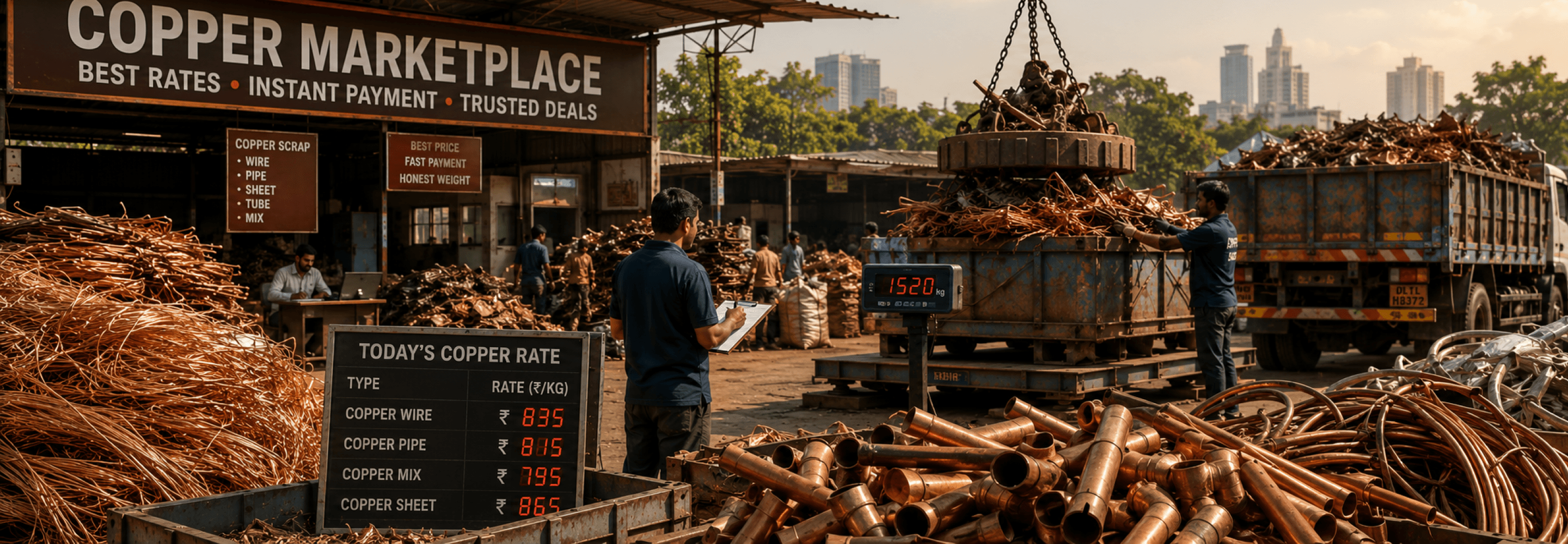
The copper scrap rate in India moves with international copper prices, the rupee-dollar exchange rate, and local demand from recyclers and cable manufacturers. Because it can change during the trading day, quoting one fixed number here would be misleading within hours.
The dependable approach is checking a live-tracked rate, such as the one shown on the MetalMandi app, on the day you plan to hand over material.
Copper Scrap Price by Grade and Type
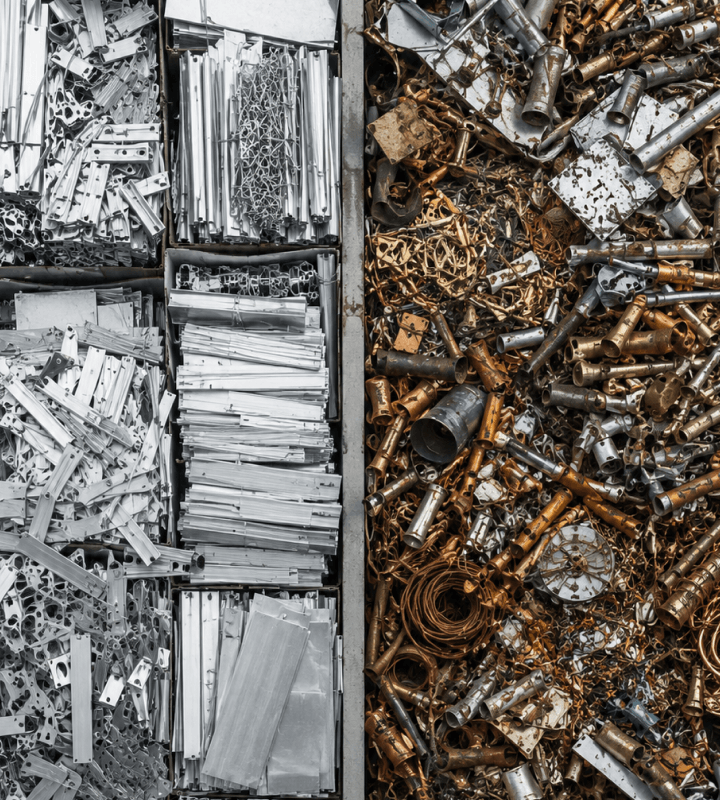
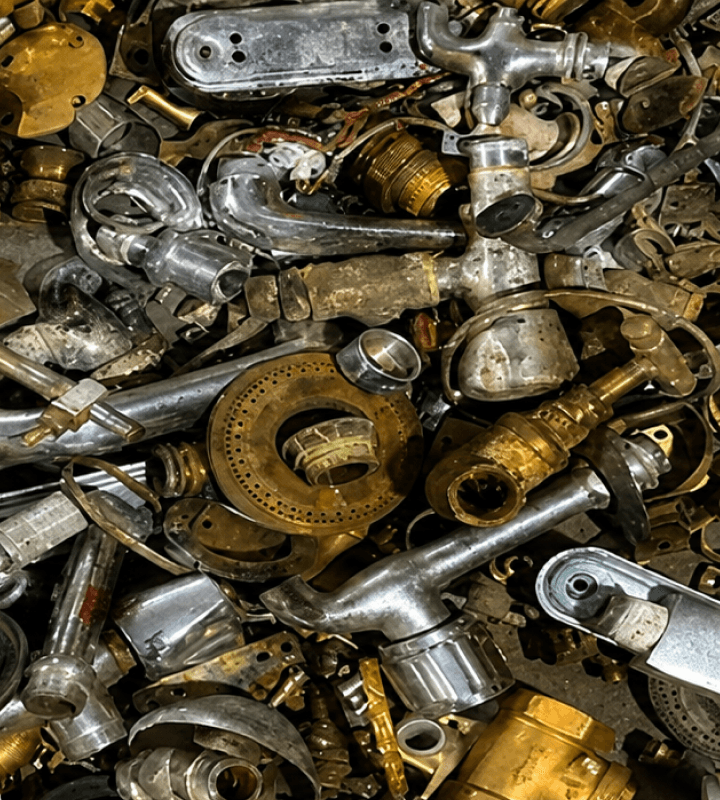
Not all copper scrap is priced the same, and grade differences can create a large gap in the quotes you receive.
Copper Wire Scrap
Copper wire scrap, sometimes called copper rassa or copper dori, is priced by purity and insulation content. Bare, uninsulated wire fetches a higher rate than insulated cable because it requires no stripping before it goes back into the recycling process.
Copper Cable Scrap
Copper cable scrap, insulated with plastic or rubber, is priced lower per kg than clean wire because of the extra weight from insulation and the processing needed to recover the metal inside. Cable from office renovation or industrial rewiring jobs falls in this category.
Bare Bright vs Mixed Copper
Bright, clean, uncoated copper is the highest-value grade of copper scrap. Mixed copper, containing solder, other metals, or corrosion, is priced lower, since a recycler has to account for the loss during processing.
What Influences Copper Scrap Rates and Recycling Prices
Global copper prices, tracked on the London Metal Exchange, set the broad direction for copper scrap rates and recycling prices in India. Copper prices reached an all-time high of $14,527.50 a tonne on the LME on 29 January 2026, marking the largest single-day rise since 2008.
On top of the global benchmark, local factors matter too:
- Purity of the copper scrap
- Insulation content
- Transport distance
- Material grade
- Local recycler demand
- Quantity available for sale
- Rupee-dollar exchange rate
Market Trends: How Copper Scrap Rates Have Moved Recently
Copper prices stayed elevated through the second quarter of 2026, with the LME price climbing above $13,400 a tonne in April, and a new all-time high was set on the COMEX in May.
Supply has stayed tight since 2025 following shutdowns at major mines, including Freeport-McMoRan's Grasberg operation in Indonesia, while demand has kept climbing on the back of AI data centre construction and grid infrastructure spending.
For Indian recyclers, this global tightness has generally kept copper scrap prices firm, even when domestic demand softens briefly.
Copper Wire Recycling: Process and Value
Copper wire recycling starts with sorting by grade, followed by stripping insulation where needed, either mechanically or through granulation. The recovered copper is then melted and refined for reuse in cables, motors, and industrial components.
Because copper does not lose its properties with repeated recycling, well-sorted copper wire scrap retains most of its value relative to virgin metal.
How to Sell Copper Scrap for the Current Rate
- Sort your copper scrap by grade, such as bare bright, berry, wire, or cable.
- Remove obvious contamination, such as plastic ties or non-copper fittings.
- Check the live scrap rate on a platform like MetalMandi before agreeing to a pickup.
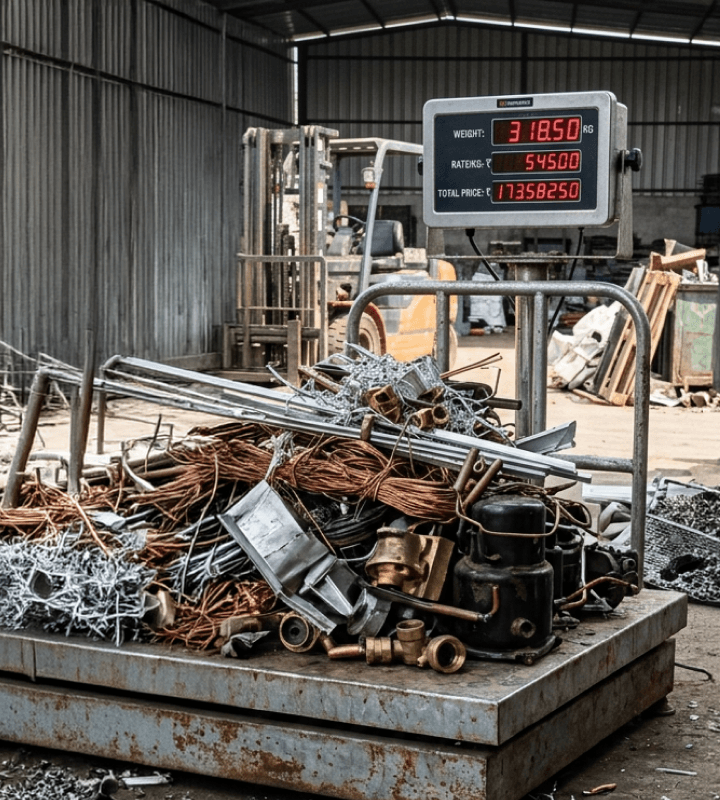
- Confirm the weighing method and get a weight slip.
- Settle payment digitally, with the transaction logged for your records.
With MetalMandi, you can view real-time copper scrap prices, connect with verified scrap buyers, and enjoy a transparent, hassle-free selling experience with fair pricing.
FAQs
What is the copper scrap rate in India today?
It changes daily with global copper prices and local demand. Checking a live-tracked source, such as the MetalMandi app, on the day of your transaction gives the most accurate figure.
Does copper wire scrap sell for more than copper cable scrap?
Yes, generally. Bare copper wire scrap fetches a higher rate than insulated cable scrap because cable requires additional processing to separate the copper from its insulation.
What causes copper scrap and recycling prices to change?
Global copper prices on exchanges like the LME set the broad trend, while purity, insulation content, and local recycler demand decide the exact rate offered for a specific load.
How is copper wire recycled, and does it affect scrap value?
Copper wire is sorted, stripped of insulation, and then melted and refined for reuse. Clean, stripped copper wire with minimal contamination typically commands a higher scrap price than insulated or mixed-grade copper because it requires less processing before recycling.
Where can I sell copper scrap at the best current rate?
A direct buyer with live, real-time price tracking, such as MetalMandi, generally offers a market-linked pricing value since there is no middleman margin built into the price.