India's scrap supply has changed sharply in the past year, with domestic scrap generation rising 22% to 32 million tonnes in FY2026 and ferrous scrap imports falling 20%, as cheaper domestic material replaced imports at mills. More domestic scrap chasing the same mills means leftover stock is harder to move at a good rate. Every week that stock sits unsold, it can lose value. For a metal scrap trader who has accumulated unused scrap metal, the question is no longer whether to clear it, but how and when.
At MetalMandi, we are a digital scrap marketplace from Attero Recycling, and we are the direct buyer with no middlemen. Our app shows live prices and real-time price tracking, and we offer fair pricing, negotiation where applicable and fast payments to the 550+ vendors we work with, from small kabadiwalas (scrap dealers) to large industrial businesses.
Why Leftover Scrap Metal Becomes a Problem for Traders
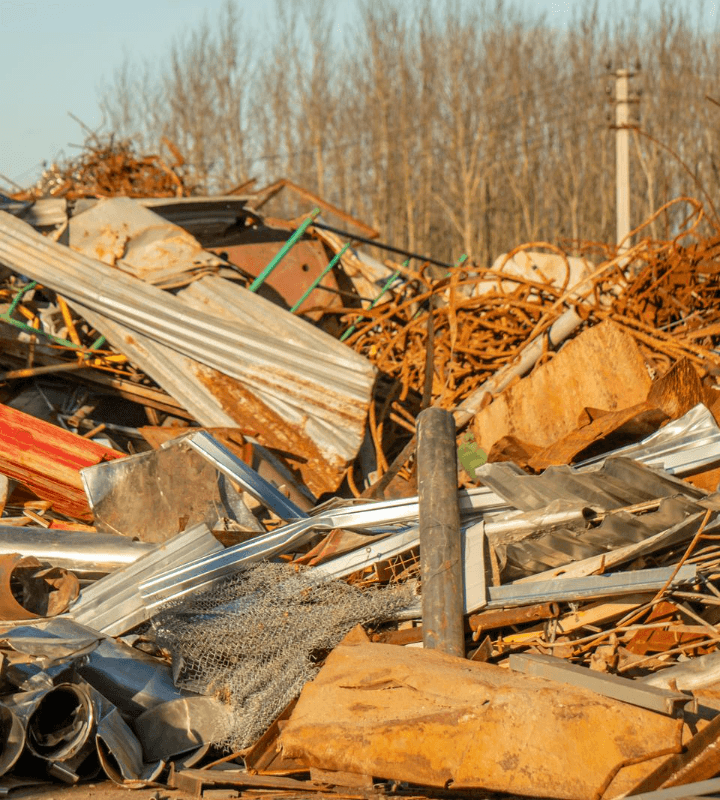
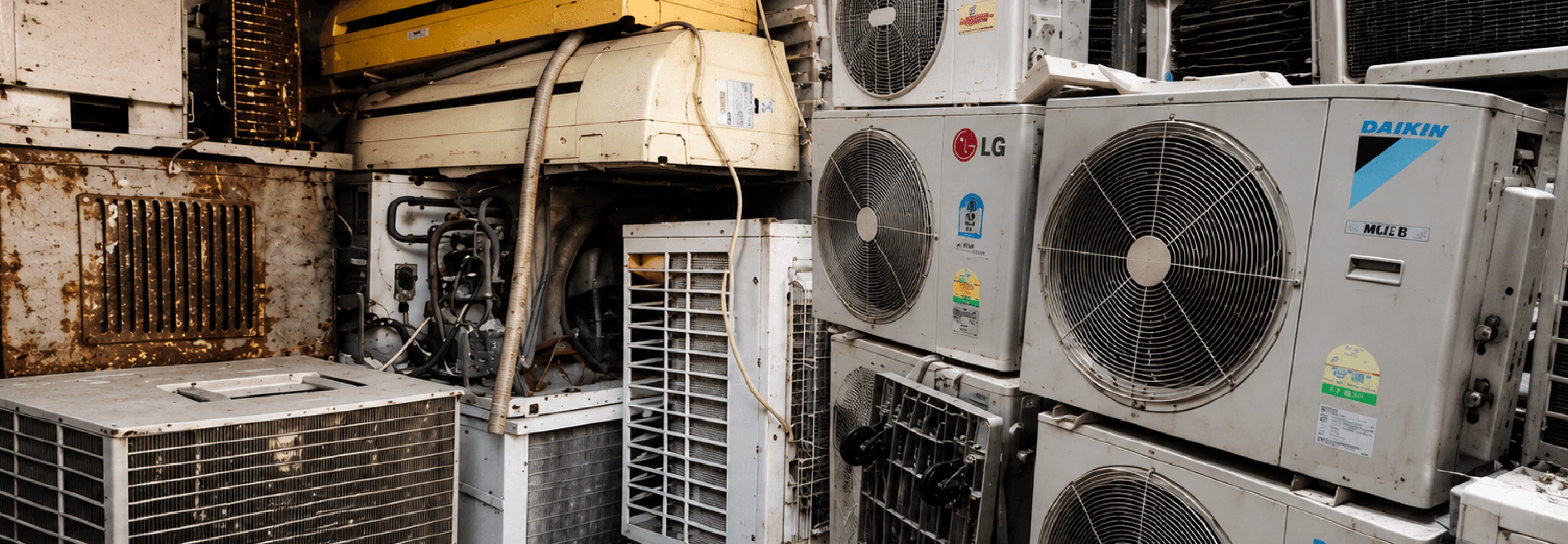
Leftover stock builds up quietly: small lots that didn't fit a vehicle, mixed bags nobody had time to sort, and material bought at a rate the market later moved away from. Each lot looks harmless alone, but together they tie up space, cash and attention that a scrap trading business needs for fresh purchases.
Holding Costs: Space, Rust, Weight Loss and Locked Capital
Stored scrap costs money in four ways: it occupies yard or warehouse space, steel and iron lose weight to rust, moisture adds weight that buyers later deduct, and the cash spent on purchase is locked until the stock moves. A price fall adds a fifth cost, as BigMint's ferrous scrap index stood at INR 37,400 a tonne on 7 July 2026, down INR 900-1,300 over seven days.
For a trader holding 50 tonnes of ferrous scrap, a fall of that size over a week is worth about INR 45,000 to INR 65,000 before any rust, rent or interest is counted. The same report noted that higher freight and labour costs limited how far offers could be cut, which shows that a holder of old stock cannot assume the market will wait.
Audit Your Unused and Leftover Scrap Inventory
Begin with a physical count, since many traders carry more stock than their books show. Record the metal, grade, approximate weight, condition and purchase date of every pile, and note where it is stored.
Segregate by Metal Type and Grade
Sort leftover material into copper, brass, aluminium, steel, cast iron, and others, and keep each grade separate. Sorted piles can be quoted against live rates for their own metal, whereas mixed piles are quoted near the value of their weakest component.
Identify Slow-Moving and Mixed Lots
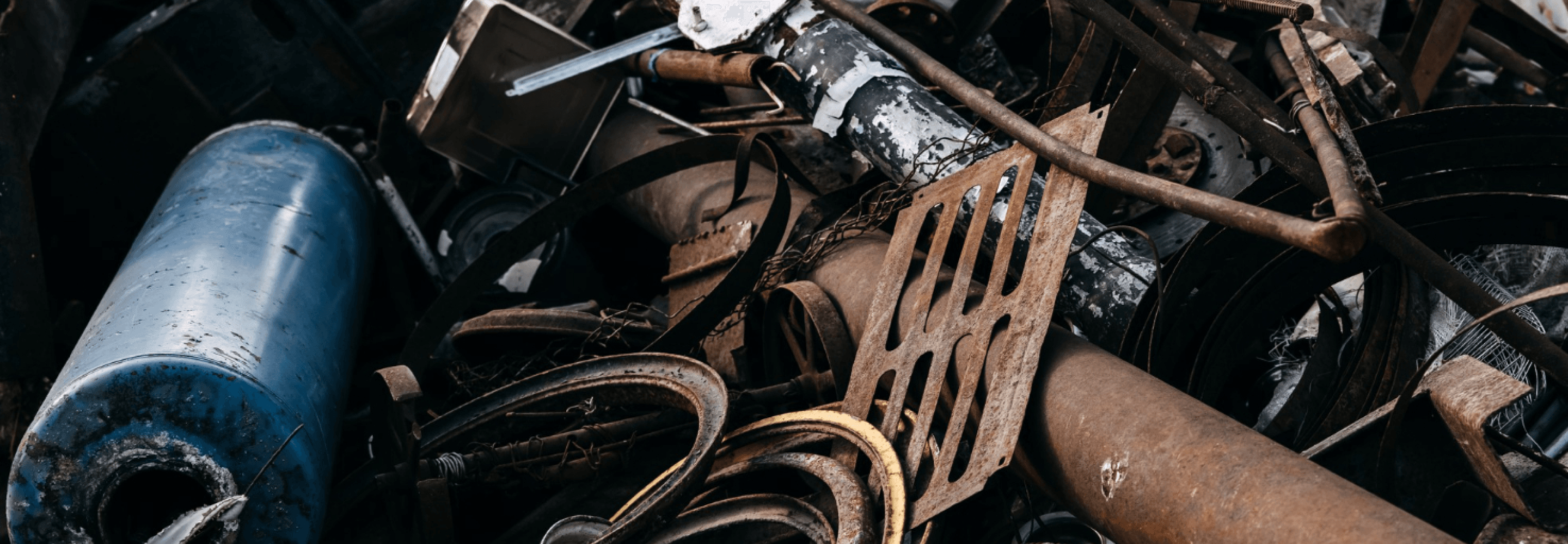
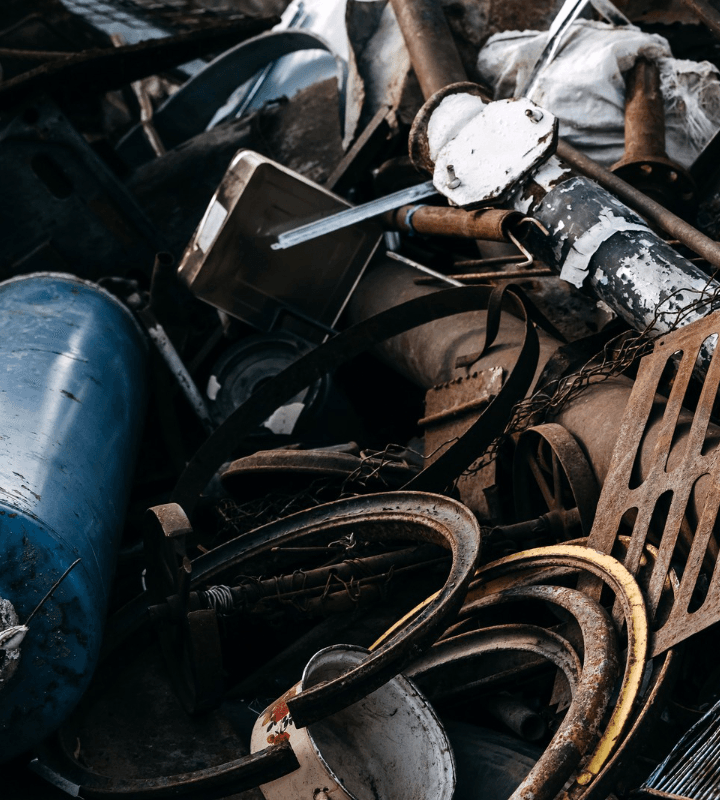
Mark lots that have not moved for sixty days, lots with rust or moisture damage and lots that mix metals. These are the first to clear because their value falls with every month of storage, and because separating a mixed pile often releases copper, brass, or aluminium that earns far more than the surrounding material.
Smart Options for Leftover Scrap Metal
Traders have four sensible options: sort and clear the lot, combine several small lots into one bulk load, hold a small amount deliberately for a better rate, or dismantle mixed items to release the valuable metal. The right choice depends on the metal, the condition and what the live rate says.
Route Material to Recyclers and Mills
Scrap metal recycling ends at a mill, foundry, or processor, and the shorter the path from your yard to that end user, the more of the rate reaches you. Steelmakers could capture margins of up to 16% that currently go to intermediaries by integrating backwards into collection and processing, which suggests that traders who route sorted material close to the end user are positioned better than those who pass it along a long chain.
Scrap Metal Collection and Storage Practices That Protect Value
Good scrap metal collection practice starts with separate bins for each metal at the point of purchase, so that mixed material is never created in the first place. Store steel and iron under cover on a raised floor to limit rust, keep non-ferrous metals locked, and record every lot with a date so that the oldest stock is cleared first.
Weigh material when it comes in and when it goes out, and compare the two registers monthly. A trader who knows the weight lost to rust and moisture in each pile can decide quickly which stock is worth keeping and which should go.
Scrap Metal Channels for Traders: Local Buyers vs the MetalMandi App
Local buyers are fast and familiar, and for small lots they can be the simplest route, but the rate is usually given by phone and can change at the weighbridge. The MetalMandi app shows the live rate before you list, records weights and quotes in one place and puts you in front of one direct buyer instead of a chain.
The same Scroll.in report notes that the informal sector avoids tax and so can undercut formal recyclers, which means a trader who works through documented channels carries a compliance cost that informal competitors do not. Choosing a buyer that records every step protects you in that environment.
Scrap Metal Trading: Using Market Data to Time Your Clearance
Scrap metal trading rewards those who watch the data, since benchmarks and domestic indices move every day. The BigMint example above shows a week in which stock lost value, and a trader who tracks the ferrous index and the LME screen can spot such a move early rather than after the fact. Use live rates to set a simple rule, such as clearing any lot that has lost a set percentage from its purchase price or that has been stored beyond a set number of days. A rule removes the temptation to hold stock for a rumour.
Common Trader Queries on Leftover and Unused Scrap
Why Buyers Quote Lower Rates for Mixed or Old Stock
Mixed or old stock needs sorting, may carry rust or moisture and is harder to match to a processor's specification. AL Circle notes that scrap grade sets the alloy chemistry and impurity levels of the recycled output, so buyers discount lots that make that chemistry harder to control.
GST Invoicing and Payment Terms for Trader-to-Trader Deals
Scrap attracts 18% GST, and the reverse charge mechanism introduced in October 2024 makes buyers liable for the tax when the supplier is unregistered, while Argus reports that genuine buyers can be pursued when a supplier has not paid. Registered buyers also deduct 2% TDS on business-to-business metal scrap supplies, so keep clean invoices and confirm your position with your accountant.
How MetalMandi Helps Traders Clear Leftover Scrap
Traders deal directly with MetalMandi, so there is no chain of buyers to chase and no separate negotiation for each lot. You list the material with photographs, see the live rate, negotiate where applicable, book collection from your yard and receive payment after inspection and weighing, which keeps stock moving and cash free for new purchases.
Leftover scrap loses value quietly through rust, rent, locked cash, and market moves, so the best response is a routine of counting, sorting, and clearing instead of occasional rescues. A trader who audits stock monthly, stores material properly and uses live rates to decide when to clear keeps the scrap trading business liquid.
FAQs
What should scrap traders do with unused and leftover scrap metal?
Count it, sort it by metal and grade, mark slow-moving and mixed lots, and clear the oldest and most perishable stock first. Combine small lots into bulk loads and check the live rate before you list, so that each lot is priced against today's market.
How can traders reduce losses from rust and weight loss in stored scrap?
Store steel and iron under cover on a raised, dry floor, keep turnings drained and covered, and clear the oldest stock first. Weigh stock when it arrives and when it leaves, and compare the two registers every month to see where weight disappears.
Does combining small lots into bulk loads improve the rate?
Usually yes, because a larger lot of one grade reduces handling per tonne for the buyer and improves your negotiating position. Combine only material of the same grade, since mixing grades to reach a bigger weight can lower the rate for the whole lot.
How does scrap metal trading use live rates to time a clearance?
Traders track benchmarks and domestic indices daily, then set clear rules, such as clearing a lot after a set price fall or a set storage period. In the BigMint report, ferrous scrap fell INR 900-1,300 a tonne in a week, which shows how quickly stock can lose value.
What happens to leftover scrap in scrap metal recycling?
Leftover scrap is sorted, inspected and sent to mills, foundries or processors, where it is melted and refined into new metal. Clean, sorted lots follow a shorter path and are valued more highly than mixed or contaminated material.
Can a scrap trading business get GST-compliant invoices on online transactions?
GST-registered businesses share their GST number at KYC, and every transaction is recorded digitally in the app. Keep your invoices and weight slips for your records, and confirm any reverse charge or TDS questions with your accountant.
Why do buyers quote lower rates for old or mixed stock?
Old or mixed stock needs sorting, may carry rust or moisture, and is harder to match to a processor's specification. Buyers allow for that effort and risk, so the quoted rate falls below the rate for clean, sorted material of the same metal.