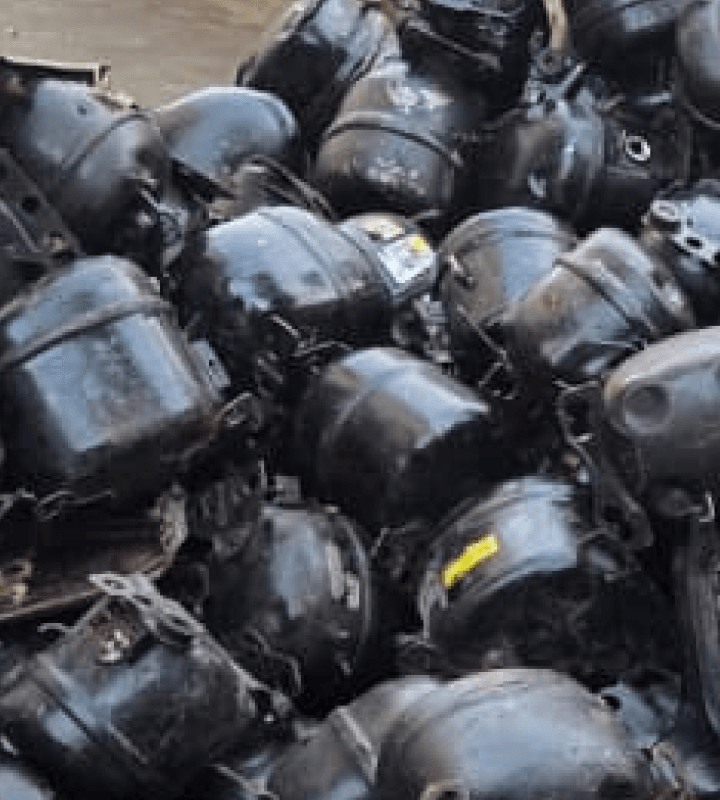
Every old appliance in India now falls under the E-Waste (Management) Rules, 2022, which widened the list of regulated products from 21 to 106 items. Inside most of those appliances sits one heavy, sealed part: the compressor. It looks like a lump of steel. Yet the copper winding hidden inside drives most of the compressor's scrap price, and that surprises many first-time vendors with maal (material).
We are MetalMandi, a digital scrap marketplace from Attero Recycling. We buy directly from businesses, so no middlemen, brokers or traders sit in between. Our app shows live prices with real-time price tracking, and AI-powered pricing keeps every offer fair. We offer price negotiation where applicable, and payments are fast. We support India's circular economy by working with 550+ vendors, from small appliance dealers to large recyclers.
What Is Compressor Scrap and Where It Comes From
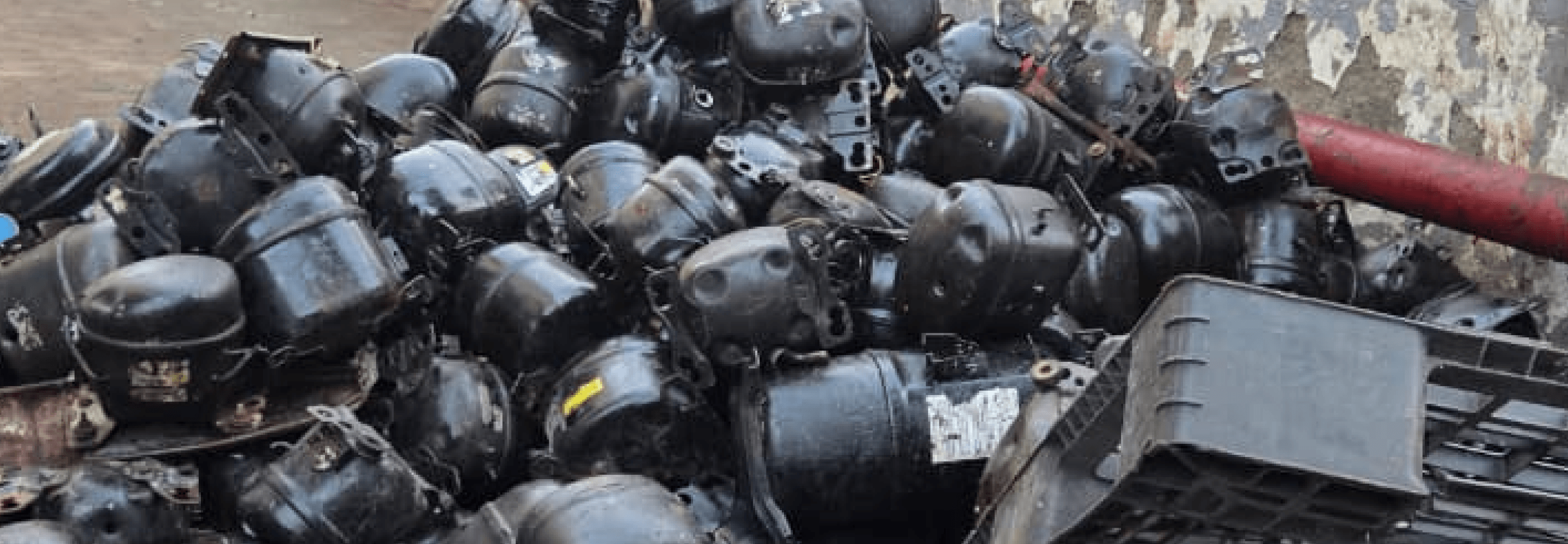
Compressor scrap refers to discarded, damaged, or non-functional compressors that are no longer suitable for use or repair. These units contain valuable materials such as copper, steel, and aluminium that can be recovered through recycling. Compressor scrap typically comes from industrial refrigeration systems, commercial cooling facilities, manufacturing plants, repair workshops, and HVAC service providers. When compressors reach the end of their service life, recycling helps recover these metals for reuse while reducing industrial waste.
What's Inside a Compressor: Why It's a Mixed-Material Item
A compressor is three materials welded into one shell. That is why a single rate per kg never fits every piece.
Copper Winding Value
The winding is the prize. Copper is the highest-value metal in the shell, and its share depends on compressor size and make. Recyclers note that motors and mixed copper need careful manual sorting to cut copper losses.
Cast Iron/Steel Body Value
The shell and the internal parts are heavy iron and steel. They add weight and are made of steady, lower-value metal. A big old compressor can carry a lot of steel for very little copper.
Oil and Non-Metal Components
Oil, plastic terminals and paint add weight but no metal value. Handle the oil with care, as it can stain and contaminate other scrap.
What Determines Compressor Scrap Price
Four things determine the price: type, size, condition, and copper inside.
- Type of Compressor: The type of compressor affects its scrap value because different models contain varying amounts and grades of recoverable metals. Industrial, commercial refrigeration, and reciprocating or screw compressors may differ in their construction, internal components, and copper content. These differences influence how much valuable material can be recovered during recycling.
- Size and Weight: Larger compressors generally contain more metal than smaller units, which can increase their scrap value. However, weight alone does not determine the final price. The amount of recoverable copper and other valuable materials also matters.
- Condition: Whether a compressor is working, damaged, burnt out, or heavily corroded can influence its scrap value. Buyers may assess the unit's condition to estimate how easily its components can be dismantled and how much usable metal can be recovered. For scrap sales, the material content often matters more than whether the compressor still works.
- Copper Content: Copper is one of the key factors affecting compressor scrap prices because it is more valuable than many common scrap metals. Compressors with copper windings may fetch a higher price, depending on the quantity and quality of copper that can be recovered. The current market rate for copper can also influence the final offer.
Weight and Copper Content
Nobody can weigh the copper in a sealed shell. So, buyers price by compressor type and weight. Rotary compressors, handiya compressors (large, pot-shaped), medium compressors, baccha compressors (small), and scroll compressors each have a different copper share. Heavier does not always mean being richer.
Compressor Scrap Rate Today: How It's Quoted
We quote compressor scrap rates per kg and by type, and the condition changes it. Intact, uncut pieces are quoted differently from cut or burnt ones. Check the compressor scrap rate in our app before you list and mention the type in your listing.
Compressor Recycling Process: From Dismantling to Metal Recovery
Compressor recycling follows a fixed order:
- Drain the oil safely.
- Cut open the steel shell.
- Remove the stator and rotor windings.
- Separate copper from steel and cast iron.
- Send each metal for melting and refining.
How to Sell Compressor Scrap for the Best Value
Sort by type before listing. Keep rotary, handiya and scroll units in separate lots. Upload clear photos with the nameplate visible. Keep burnt-out units apart from clean ones, because they are valued differently.
Can Compressors Be Sold Whole or Must They Be Dismantled
Whole compressors are common in the trade. Cutting without the right tools can leave copper behind in the shell. If you lack proper cutting equipment, list the compressor whole and confirm the quote in the app.
Why Sell Compressor Scrap on MetalMandi
Appliance dealers often wait for a dealer to visit, then accept a verbal rate. With us, you can see the rate before you list, and deal directly with MetalMandi. The pickup (collection) is tracked in the app. We welcome bulk lots from AC servicing or renovation jobs. Compressor value depends on the copper, the type, and the condition, so sort, photograph, and check the rate.
FAQs
What is compressor scrap and where does it come from?
Compressor scrap refers to damaged, non-functional, or discarded compressors that are no longer suitable for use or repair. It typically comes from industrial refrigeration systems, commercial cooling facilities, manufacturing plants, and repair workshops. These units contain recoverable metals such as copper, steel, and aluminium, which can be recycled and reused.
What is the compressor scrap price today?
It changes with copper rates and with compressor type. Open the MetalMandi app for the live compressor scrap price by type, and confirm it before you book collection.
Why is compressor scrap valued differently from plain copper or iron scrap?
It is a mixed item. Only the winding is copper. The rest is steel, iron and oil. So buyers price it by type and weight, not as pure copper.
Should I dismantle a compressor before I list it as scrap?
Only if you have proper cutting tools and care about safety. Poor cutting loses copper and risks oil spills. Listing it whole is often the safer choice.
Does compressor recycling recover copper and iron separately?
Yes. Workers drain the oil, open the shell, pull the winding and sort the metals. Copper and steel then go to separate melting streams.
Can non-working or sealed compressors still be sold as scrap?
Yes. Dead and sealed compressors are the normal scrap input. Send photos of the nameplate and condition, and we will quote against type and weight.