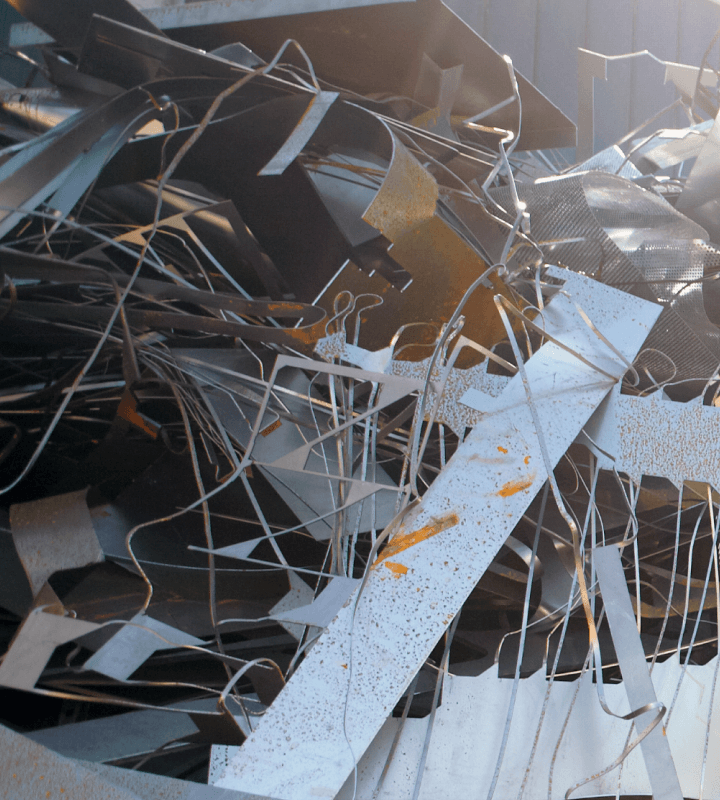
Aluminium purja (loose aluminium parts and off-cuts) is one of the most common yet least understood categories in the scrap trade. Unlike a single, uniform item such as an ingot, purja is a mixed lot - cut pieces, brackets, machined components - and its composition changes from one batch to the next, which makes grading and pricing genuinely tricky. Most businesses checking the aluminium purja rate today find it shifts more than expected, simply because grade, sorting and market conditions all move together.
At MetalMandi, we buy this material directly from businesses across India, with no middlemen or brokers involved. We are a digital scrap marketplace, powered by Attero Recycling, and our app gives you live prices, real-time price tracking and fast payments. We work with 550+ vendors across India, from small kabadiwalas (scrap dealers) to large industrial units, and price negotiation is possible wherever it applies. Let's see what aluminium purja scrap actually is, how it's graded, and what decides the aluminium purja price today, so you know exactly what to expect before your next pickup.
What Is Aluminium Purja Scrap
Purja means loose parts - cut pieces, brackets, machined components, extrusion off-cuts and similar aluminium bits that don't fall under bigger categories like rassa (wire bundles) or ingots. It comes from factories cutting aluminium sheet, workshops machining parts, or old machinery being dismantled. Office renovation scrap, discarded window frames and appliance brackets often end up as aluminium purja scrap too.
Because purja is a mixed category by nature, composition varies a lot from one lot to another. One bag might be mostly clean extrusion cuttings; another might carry paint, rubber gaskets or steel screws. That variation is exactly why grading matters more here than it does for a uniform item like an ingot.
How Aluminium Purja Scrap Is Graded
Grading comes down to three things: alloy purity, contamination level, and how well the lot has been sorted before it reaches us. Dealers set the aluminium purja price today against these same three points, because a clean, sorted lot always earns more than a mixed one carrying dirt or other metals. Most graders also check for oxidation. A lot left out in the open for months tends to have a grey, powdery surface that reduces recoverable metal. Fresh factory purja, dispatched quickly, almost always grades higher.
Sorted vs Unsorted Purja
Sorted purja, separated by alloy, free of steel and other metals, fetches a better aluminium purja price than unsorted purja. Unsorted lots need manual separation before melting, which adds cost, and that cost shows up in the rate offered. Sorting by grade at source, even loosely, usually means a noticeably better deal.
Common Impurities and Their Impact on Grade
Steel screws, rubber seals, paint, plastic clips and moisture are the most common impurities in aluminium purja scrap. Even a small percentage of steel pulls down the grade because it must be removed before melting. Paint and plastic burn off during processing but reduce recoverable yield, which gets factored into the price.
Aluminium Purja Rate Today: What Determines It
Four factors decide the aluminium purja rate today: the London Metal Exchange (LME) price for aluminium, the domestic premium, the grade of the lot, and the quantity on offer. LME prices set the baseline, since most Indian aluminium scrap pricing tracks it, directly or indirectly. On top of that, dealers apply a discount based on grade - sorted, clean purja sits closer to ingot value, while mixed or oxidised purja sits well below it.
MetalMandi helps you stay updated with live aluminium scrap and purja rates, with prices listed by material grade and updated daily. The rate tracker also shows the latest price movement, making it easier to see whether a particular aluminium category has moved up or down.
How Dealers Price Aluminium Purja Scrap
Most dealers follow a similar process: weigh the lot, inspect it visually for contamination and alloy mix, and sometimes take a sample for melting tests on larger quantities. From there, they quote a rate against the current base price for aluminium.
At MetalMandi, this happens through the app. You share photos and estimated weight, receive an indicative rate, and once the material is picked up and verified, payment follows quickly. Because pricing is tied to live market data, you aren't dependent on one dealer's mood or a middleman's cut, and the rate reflects the actual grade and current conditions.
Selling Small vs Bulk Purja Quantities
A workshop with 20 kg of off-cuts and a factory with 2 tonnes of monthly aluminium purja scrap won't be priced identically, and that's fair. Bulk quantities usually attract a marginally better rate, since pickup and processing costs spread over more material. We work with businesses of every size - occasional small lots and regular monthly supply alike - and negotiation is possible for both, depending on grade and volume.
Why Track Aluminium Purja Rates on MetalMandi
Tracking rates before you dispose of a batch protects you from underpricing, especially with a mixed material like purja where grading can be subjective. On MetalMandi, prices update in real time, so what you see reflects the current market rather than a rate quoted days ago.
Because we are the direct buyer, not an aggregator connecting you to other buyers, the number you see is the number that applies, with no hidden cut for a middleman. For businesses generating aluminium purja regularly, checking the app before each pickup takes a couple of minutes and can make a real difference to what you receive.
Aluminium purja scrap is genuinely useful, but its mixed nature means grading and pricing need real attention, not guesswork. Sorting where you can, keeping purja free of steel and moisture, and checking the current rate before a pickup are the small habits that add up. MetalMandi's app-based pricing keeps this process transparent for small kabadiwalas and industrial units alike, with fast payments and no middlemen.
FAQs
Is aluminium purja scrap fully recyclable?
Yes. Aluminium purja scrap is fully recyclable. Once impurities like steel, rubber and paint are removed, the aluminium can be melted and reused indefinitely without losing its core properties, which is why it holds real value even as mixed, unsorted material.
How is aluminium purja graded before pricing?
Aluminium purja is graded by checking alloy type, contamination level and how well it has been sorted. Clean, sorted lots free of steel, rubber and paint grade higher than mixed or oxidised purja, and this grade directly decides the aluminium purja price today.
What is the aluminium purja rate today per kg?
The aluminium purja rate today per kg depends on grade, LME aluminium prices and quantity offered, so it changes daily. The aluminium purja scrap rate quoted by different dealers can vary for the same reason; check the live rate on the MetalMandi app before deciding.
Why does aluminium purja price vary between dealers today?
Aluminium purja price today varies between dealers because of differences in grading standards, overheads, and whether middlemen are involved. A direct buyer working on live market data typically offers a more consistent aluminium purja price than one relying on manual, dealer-by-dealer estimates.
Is aluminium purja the same as regular aluminium scrap?
Not quite. Aluminium purja scrap is a sub-category of aluminium scrap made up of loose parts, cut pieces and off-cuts, rather than bulk items like rassa (wire bundles) or ingots. It usually needs more sorting before melting because of its mixed composition.