India's Battery Waste Management Rules, 2022, notified on 24 August 2022, brought every type of battery - automotive, portable, industrial, and electric vehicle - under a single Extended Producer Responsibility framework, replacing the older rules that had focused only on lead-acid batteries. The rules set minimum recovery targets of 70% for 2024-25, rising to 80% for 2025-26 and 90% from 2026-27 onwards, meaning producers and recyclers are now legally accountable for what happens to a battery once it dies. For any business or household sitting on old batteries, this isn't a background policy; it directly shapes how batteries should be collected, priced, and handled safely.
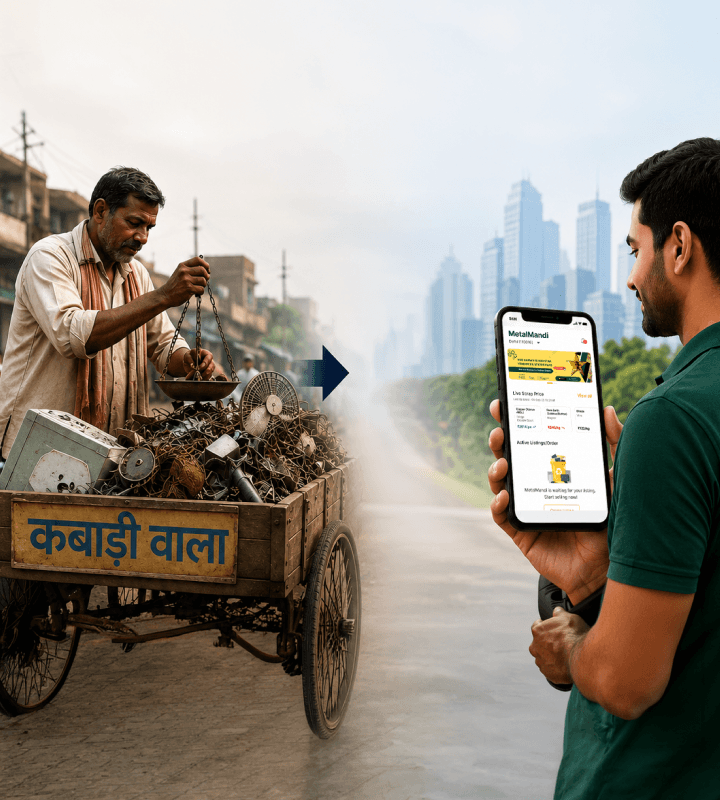
MetalMandi is a digital scrap marketplace, powered by Attero Recycling, and we buy old battery scrap directly from businesses and individuals with no middlemen involved. Our platform tracks live market rates in real time, so the old battery scrap rate you see reflects the current market, not an outdated figure quoted over the phone. Payments are fast once material is verified, and negotiation is possible for bulk or industrial quantities. We currently work with 550+ vendors across India, supporting everyone from small kabadiwalas (scrap dealers) to large recycling partners, through the same transparent, app-based process.
Types of Old Batteries That Can Be Sold as Scrap
Old batteries come in different types, and their scrap value depends on their chemistry, condition, and recoverable materials. Common types include lead-acid batteries, lithium-ion batteries, inverter and UPS batteries, each requiring different recycling and handling processes.
Lead-Acid Batteries
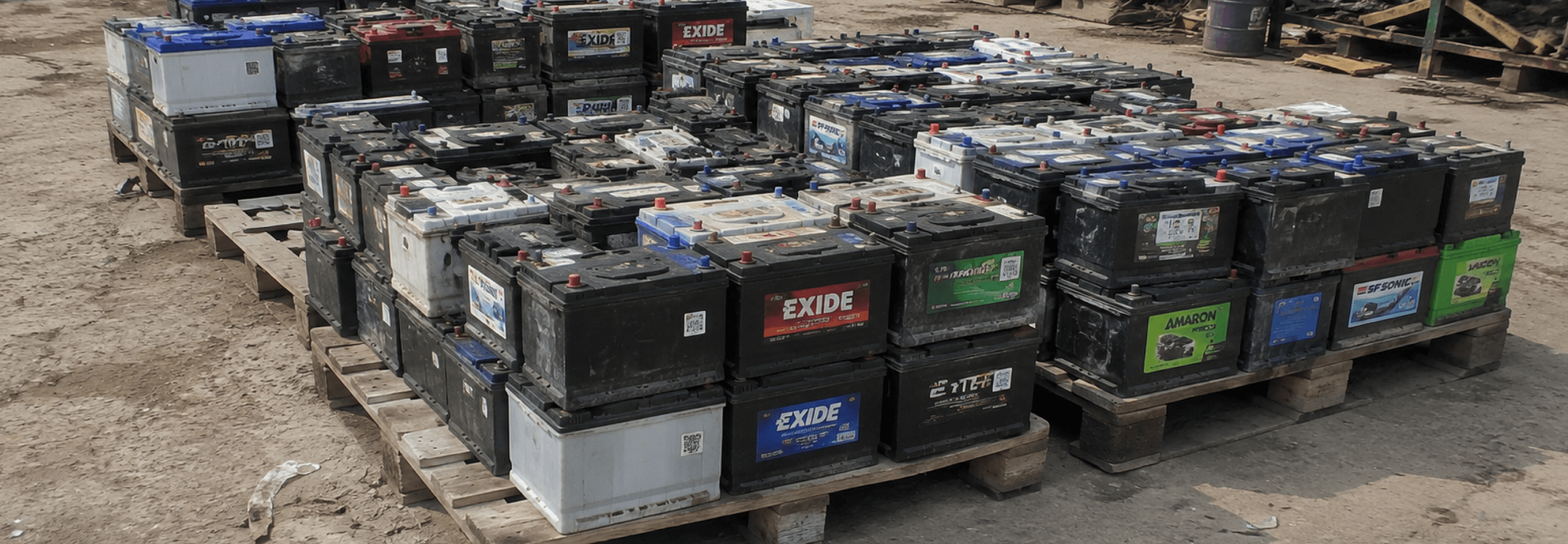
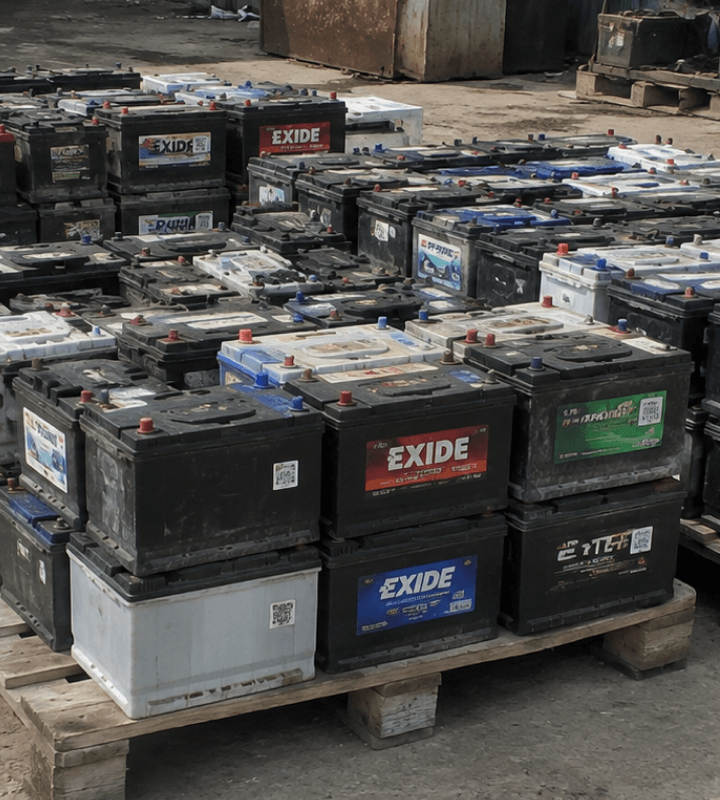
These come from cars, two-wheelers, and small vehicles. Lead-acid batteries hold real recycling value because lead is fully recoverable and can be reused directly in new batteries.
Inverter and UPS Batteries
Common in homes and offices, inverter batteries are also lead-acid based but larger. Their scrap value depends mainly on weight and lead content.
Lithium-Ion Batteries
Found in phones, laptops, and power backups, lithium-ion batteries need careful handling. They must never be crushed, punctured, or exposed to heat, as damaged cells can catch fire.
Old Battery Scrap Rate Today
Old battery scrap rate moves daily with lead and metal market prices. Weight, battery type, and condition all factor into what you're offered, and checking current rates before a pickup avoids relying on a guess from a local trader.
What Determines Old Battery Rate per Kg
The old battery rate per kg depends on factors such as battery type, metal content, weight, condition, and current demand for recoverable materials. Market prices for lead, lithium, nickel and other metals can also influence the rate, while collection, sorting and recycling costs may affect the final scrap value.
Battery Type and Lead Content
Lead-acid batteries with higher lead content typically earn a better old battery rate per kg than smaller batteries with less recoverable metal.
Condition and Weight of the Battery
A leaking, cracked, or corroded battery is riskier to handle and transport, which can affect the rate offered. Intact batteries are weighed accurately to get a fairer valuation.
Current Lead and Metal Market Prices
Since lead is the primary recoverable metal in most old batteries, its market price directly moves scrap battery prices today across the board.
Safety Precautions When Selling Battery Scrap
- Never puncture, crush, or attempt to open any battery yourself.
- Keep lithium-ion batteries away from heat, direct sunlight, and metal objects.
- Store leaking lead-acid batteries upright and away from children.
- Use gloves when handling old or corroded batteries.
- Only hand over batteries through a CPCB-registered collection process, since producers, recyclers, and refurbishers of batteries are required to register on the centralised CPCB portal under the 2022 rules.
How Scrap Battery Prices Today Compare Across Dealers
Junk battery prices can vary quite a bit between local dealers, often because rates aren't updated daily or are quoted without weighing the battery first. This is where a lack of transparency costs businesses the most - a rate agreed over a phone call rarely matches what's actually paid at the point of pickup.
Step-by-Step: How to Sell Your Old Battery for Scrap Safely
- Check the live old battery scrap rate on the MetalMandi app.
- Note the battery type, condition, and approximate weight.
- Schedule a pickup through the app.
- Have the battery weighed and verified on collection.
- Receive fast payment once the process is confirmed.
Why Choose MetalMandi for Selling Battery Scrap
You can sell directly to MetalMandi, with no middlemen quietly adjusting the rate between quote and payment. Our AI-powered pricing reflects live market movement, and our team follows proper handling protocols for hazardous items like lithium-ion and lead-acid batteries - something informal scrap collection often skips entirely, despite the legal obligations now in place under the Battery Waste Management Rules.
Old batteries carry real recycling value, but only if handled and priced correctly, and only if the collection process follows India's current battery waste regulations. Checking today's rate, understanding what affects it, and following basic safety steps protects both your payout and your safety - and MetalMandi's transparent, direct process is built to support exactly that.
FAQs
What is the old battery scrap rate today per kg?
Old battery scrap rate changes daily based on lead and metal market prices. Check MetalMandi's app for live, location-based rates before scheduling a pickup.
How is the old battery rate per kg calculated?
It's based mainly on battery type, lead content, weight, and condition, along with current metal market prices, which move the base rate up or down daily.
Are lithium-ion batteries safe to sell as scrap?
Yes, if handled correctly. Never puncture or expose them to heat. Hand them over through a CPCB-registered collection process that follows proper safety protocols.
Why do scrap battery prices today vary between dealers?
Rates often depend on how current a dealer's pricing is and whether the battery is weighed accurately. Unverified quotes over the phone rarely match final payment.
What safety precautions should I take before selling battery scrap?
Avoid puncturing or crushing batteries, keep lithium-ion cells away from heat, store leaking batteries upright, wear gloves when handling corroded units, and use a registered collection process.